

Embarking on your WordPress journey is an exciting step into the world of web development and content creation. Whether you're building a personal blog, a business website, or an e-commerce store, WordPress offers unparalleled flexibility. However, setting up your site is just the beginning. A critical aspect often overlooked by beginners, yet fundamental to a healthy and secure online presence, is the consistent practice of updating your WordPress installation, themes, and plugins.
This comprehensive guide will demystify the process of keeping your WordPress site current, emphasizing why regular updates are non-negotiable for security, performance, and search engine optimization (SEO). For those just starting out, we recommend exploring resources like WordPress Mastery: The Ultimate Beginner and Master WordPress: Your Essential Guide to build a solid foundation.
Why Regular WordPress Updates Are Essential
Many beginners view updates as a chore, or worse, a potential source of problems. In reality, consistent updates are your first line of defense and a key driver of your site's success. Let's break down the core reasons:
Enhanced Security and Protection
The internet is a constant battleground against malicious actors. WordPress, being the most popular CMS globally, is frequently targeted. Developers regularly release a WordPress security patch to address newly discovered vulnerabilities in the core software, themes, and plugins. Ignoring these patches leaves your site exposed to hacking attempts, data breaches, and malware infections. A compromised site can damage your reputation, lead to loss of data, and even get your site blacklisted by search engines.
Improved Performance and Stability
Updates aren't just about security; they also bring performance enhancements. Developers continuously optimize code, fix bugs, and introduce more efficient ways for your site to run. This translates to faster loading times, smoother user experiences, and a more stable environment overall. A faster site is not only better for your visitors but also positively impacts your site maintenance SEO efforts.
Access to New Features and Functionality
Themes and plugins evolve. Updates often introduce exciting new features, improved user interfaces, and compatibility with the latest web standards. For instance, a plugin update might add new payment gateway options for your WooCommerce store, or a theme update could introduce new customization possibilities. Staying updated means you can leverage these advancements to enhance your site's capabilities and user experience.
How to Update WordPress Core, Plugins, and Themes
The WordPress dashboard makes the update process remarkably straightforward. However, understanding the steps and best practices is crucial.
Updating WordPress Core
WordPress core updates are typically announced prominently in your dashboard. You'll see a notification at the top of your admin screen when a new version is available.
- Backup First: Always, without exception, create a full backup of your website (files and database) before initiating a core update.
- Click to Update: Navigate to Dashboard > Updates. You'll see an option to "Update to version X.X.X". Click this button.
- Automatic Process: WordPress will download and install the new files automatically. This usually takes just a few moments.
- Verify: Once complete, clear your site's cache and check your website to ensure everything is functioning correctly.
How to Update WordPress Plugins
Keeping your plugins updated is equally important. When you need to update WordPress plugins, the process is similar to core updates.
- Backup: Before you update WordPress plugins, especially if updating multiple at once, perform a site backup.
- Notifications: You'll see a numeric notification next to "Plugins" in your admin menu, indicating available updates.
- Batch or Individual: Go to Plugins > Installed Plugins. You can select individual plugins to update or use the "Select All" checkbox and choose "Update" from the bulk actions dropdown.
- Test: After updating, always test the functionality associated with the updated plugins. For example, if you updated a contact form plugin like WPForms Pro Bundle + All Addons, submit a test form. If you're using a WooCommerce extension like the WooCommerce Customer Order Coupons CSV Import Suite, test its import/export functionality.
Performing Theme Updates WordPress
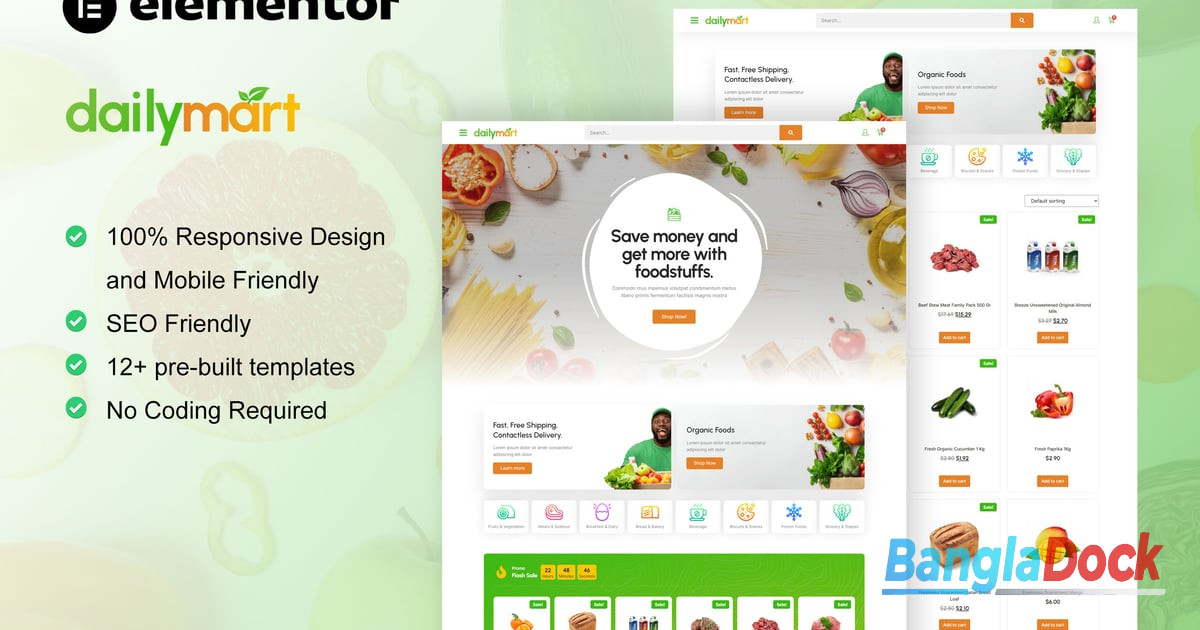
Just like plugins, theme updates WordPress are critical for security, new features, and compatibility. If you're using a premium theme or a template kit like DailyMart – Grocery Store Elementor Template Kit, ensure you have a valid license for automatic updates.
- Backup: A backup is essential. If you've made direct modifications to your theme files (which is a common mistake for beginners – always use a child theme!), updates will overwrite them.
- Notifications: Look for a numeric notification next to "Appearance" in your admin menu.
- Update: Navigate to Appearance > Themes. You'll see a notification on the theme thumbnail if an update is available. Click it to update.
- Check Layout: After updating, visit various pages of your site to ensure your layout and styling remain intact.
The Impact of Site Maintenance on SEO
Regular site maintenance SEO isn't just a technical chore; it directly influences how search engines perceive and rank your website. An updated, secure, and fast site is a search engine's best friend.
- Security Signals: Google prioritizes secure websites. An unpatched site that gets hacked can be flagged, leading to warnings for users and a significant drop in rankings. Keeping up with every WordPress security patch is paramount.
- Performance: Page speed is a confirmed ranking factor. Updates often include performance improvements that help your site load faster, reducing bounce rates and improving user experience – both positive signals for SEO.
- User Experience (UX): A stable, bug-free site (thanks to updates) offers a better UX. Visitors are more likely to stay longer, engage with content, and convert. Search engines increasingly factor UX into their algorithms.
- Mobile-Friendliness: Theme updates frequently address responsiveness and mobile compatibility, ensuring your site looks great and functions well on all devices, which is critical for mobile-first indexing.
Real-World Use Cases for Updates
Consider these scenarios where updates prove invaluable:
- E-commerce Security: A critical WordPress security patch is released for WooCommerce, addressing a vulnerability that could expose customer data. Updating immediately protects your customers and your business from a potentially devastating breach.
- Form Functionality: Your contact form, powered by a plugin like WPForms Pro Bundle + All Addons, suddenly stops sending emails after a server upgrade. A quick check reveals an available plugin update that includes compatibility fixes for newer PHP versions. Updating resolves the issue, restoring lead generation.
- Design Refresh: Your theme updates WordPress to include new header layouts and improved typography options. Applying this update allows you to refresh your site's aesthetics without needing to completely redesign, keeping your brand modern and engaging.
Common Mistakes to Avoid When Updating WordPress
While updates are crucial, certain pitfalls can turn a smooth process into a headache. Avoid these common errors:
- Skipping Backups: This is the cardinal sin. Without a recent backup, you have no way to restore your site if an update goes wrong.
- Updating on a Live Site Without Testing: For mission-critical sites, never update directly on your live production environment. Use a staging site (a clone of your live site) to test all updates first.
- Ignoring Update Notifications: Procrastination is dangerous. The longer you wait, the greater the risk of vulnerabilities and compatibility issues stacking up.
- Modifying Core Files or Parent Themes: Directly editing WordPress core files or parent theme files means your changes will be overwritten during an update. Always use a child theme for customizations.
- Outdated PHP Version: Many updates require a modern PHP version (e.g., PHP 7.4 or 8.x). Running an old PHP version can cause compatibility issues and prevent updates from installing correctly.
Troubleshooting Common WordPress Update Issues
Even with best practices, issues can sometimes arise. Here’s how to approach common problems:
- White Screen of Death (WSOD): This often indicates a PHP error. To diagnose, access your site via FTP, rename your
pluginsfolder (e.g., toplugins_old). If the site comes back, reactivate plugins one by one to find the culprit. Do the same for your active theme. - Plugin/Theme Conflicts: If your site breaks after updating a specific plugin or theme, try deactivating it. If the issue resolves, the problem lies with that component. Check its support forums or documentation.
- Database Errors: Messages like "Error establishing a database connection" usually mean your
wp-config.phpfile has incorrect database credentials, or your database server is down. Contact your hosting provider. - Broken Layout/Styling: Clear your website's cache (if you use a caching plugin) and your browser's cache. Sometimes, old cached files prevent the new styles from loading.
Best Practices for a Smooth WordPress Update Process
Adopt these habits to make updates stress-free and effective:
- Regular Backups: Implement an automated daily or weekly backup solution. Store backups off-site.
- Use a Staging Environment: For any significant update or for critical websites, always test on a staging site first. Many hosting providers offer one-click staging setup.
- Schedule Updates: Don't wait. Schedule a regular time (e.g., once a week or month) to check for and apply updates. Do this during low traffic hours if possible.
- Choose Reputable Sources: Only install themes and plugins from trusted developers. For secure and premium GPL WordPress themes and plugins, consider resources like BanglaDock.
- Keep PHP Updated: Ensure your hosting environment runs a modern, supported PHP version. This is critical for performance and compatibility.
- Use a Child Theme: If you plan to customize your theme's code, always create and use a child theme. This ensures your modifications are safe during parent theme updates.
- Read Changelogs: Before updating, quickly scan the changelog for the core, plugin, or theme. This can alert you to any major changes or known issues.
Conclusion
Maintaining a WordPress website goes far beyond initial setup. The regular practice of updating your core WordPress installation, themes, and plugins is not just a recommendation—it's a fundamental requirement for a secure, high-performing, and SEO-friendly website. By understanding how to update WordPress plugins, manage theme updates WordPress, and apply crucial WordPress security patch releases, you empower yourself to protect your digital asset and ensure its continued success. Embrace these maintenance habits, and your WordPress journey will be much smoother and more rewarding.
Frequently Asked Questions
How often should I update WordPress plugins and themes?
You should update WordPress plugins and themes as soon as updates become available. Developers often release updates to fix security vulnerabilities or critical bugs, so prompt action is crucial. Aim to check for updates at least once a week, or whenever you see notifications in your WordPress dashboard.
What should I do before updating my WordPress site?
Before performing any WordPress update (core, plugins, or themes), the most critical step is to create a complete backup of your website. This includes both your WordPress files and your database. This backup serves as a safety net, allowing you to restore your site if any issues arise during or after the update process. Additionally, if possible, test updates on a staging environment before applying them to your live site.
Can updating WordPress break my website?
While updates are designed to improve your site, occasionally, they can introduce conflicts or break functionality, especially if you're running outdated plugins/themes, have custom code, or are on an old PHP version. This is why thorough backups and testing on a staging site are paramount. If an issue occurs, you can revert to your backup or troubleshoot by deactivating plugins/themes to identify the conflict.