
WordPress Mastery: The Essential Guide to Updates, Security, and Maintenance
For anyone managing a WordPress website, the phrase "update available" is a constant companion. While it might seem like a minor task, understanding how to properly update WordPress plugins, manage theme updates WordPress, and implement critical WordPress security patch releases is fundamental to your site's health, performance, and overall longevity. This guide will walk you through the why and how, transforming a potentially daunting chore into a streamlined process vital for robust site maintenance SEO.
Why Regular Updates Are Non-Negotiable for Your WordPress Site
Ignoring update notifications is a common pitfall that can lead to significant problems. Here’s why staying current is paramount:
- Fortified Security: The internet is a dynamic environment, and vulnerabilities are constantly discovered. Developers release updates, often containing a crucial WordPress security patch, to fix these loopholes, protecting your site from malicious attacks, data breaches, and spam. Neglecting these updates leaves your digital doors wide open.
- Enhanced Performance and Speed: Updates frequently include code optimizations, bug fixes, and performance improvements. A faster website not only offers a better user experience but also positively impacts your search engine rankings, contributing directly to your site maintenance SEO efforts.
- New Features and Functionality: Developers continuously innovate. Updates often introduce exciting new features, improved user interfaces, and better integration capabilities, allowing you to leverage the full potential of your WordPress ecosystem.
- Ensured Compatibility: WordPress core, plugins, and themes are designed to work together. As the WordPress core evolves, older plugins and themes can become incompatible, leading to errors, broken layouts, or complete site crashes. Regular updates ensure all components remain harmonious.
Understanding the WordPress Update Ecosystem
Your WordPress site comprises several layers, each requiring attention:
- WordPress Core: This is the foundation of your website. Core updates often bring major security enhancements, performance boosts, and new features.
- WordPress Plugins: These extend your site's functionality. From contact forms to e-commerce capabilities, plugins are vital. Learning to update WordPress plugins correctly is crucial for maintaining these functionalities and ensuring their security.
- WordPress Themes: Themes dictate your site's design and layout. Managing theme updates WordPress ensures your design remains compatible, secure, and benefits from new styling options or performance tweaks.
How to Safely Update WordPress Plugins and Themes
Updating doesn't have to be a stressful experience if you follow a structured approach.
Pre-Update Checklist: Your Safety Net
Before initiating any update, these steps are non-negotiable:
- Full Site Backup: This is your most critical step. Always create a complete backup of your WordPress files and database. Should anything go wrong, you can easily restore your site to its previous state. Many hosting providers offer backup solutions, or you can use a reliable backup plugin.
- Use a Staging Environment: For production sites, especially e-commerce platforms or high-traffic blogs, using a staging site is invaluable. A staging site is a clone of your live site where you can test updates without affecting your audience. Once you confirm everything works, you can push the changes to your live site.
- Check Compatibility: Before updating, particularly for major version changes, check the plugin or theme developer's documentation or changelog for known compatibility issues with your current WordPress version or other critical plugins.
- Review Changelogs: Briefly scan the changelog for the update. This gives you an idea of what changes are being introduced, whether they are bug fixes, new features, or security patches.
Step-by-Step Guide: How to Update WordPress Plugins
The process to update WordPress plugins is generally straightforward:
- Via WordPress Dashboard (Recommended):
- Log in to your WordPress admin area.
- Navigate to Dashboard > Updates or Plugins > Installed Plugins.
- You'll see a notification for available updates.
- Select the plugins you wish to update and click "Update Plugins."
- WordPress will handle the process. Once complete, clear your site's cache and check your site for any issues.
- Manual Update via FTP:
- This method is for when the dashboard update fails or for specific troubleshooting.
- Download the latest version of the plugin from its source (e.g., WordPress.org repository, developer's website, or a trusted GPL source like BanglaDock).
- Connect to your site via FTP client (e.g., FileZilla).
- Navigate to
/wp-content/plugins/. - Rename the existing plugin folder (e.g.,
plugin-name-old) or delete it entirely after ensuring you have the new version ready. - Upload the new plugin folder to the
/wp-content/plugins/directory. - Go to your WordPress dashboard, activate the plugin if it's deactivated, and test thoroughly.
Step-by-Step Guide: Managing Theme Updates WordPress
Similar to plugins, theme updates WordPress can be handled through the dashboard or manually.
- Via WordPress Dashboard (Recommended):
- Access your WordPress admin area.
- Go to Dashboard > Updates or Appearance > Themes.
- If an update is available for your active theme, you'll see a notification.
- Click "Update Themes" or the specific theme's update link.
- After the update, clear any caching and thoroughly check your site's design and functionality, especially if you've made customizations. Using a child theme is highly recommended for customizations to avoid losing changes during updates.
- Manual Update via FTP:
- Download the latest version of your theme.
- Connect via FTP to
/wp-content/themes/. - Rename your existing theme folder (e.g.,
mytheme-old) or delete it. - Upload the new theme folder.
- Verify the theme is active in your dashboard and check your site. Remember, if you didn't use a child theme, manual customizations will be overwritten.
Real-World Use Cases for Proactive Updates
- E-commerce Security: Imagine running an online store. A critical WordPress security patch for your WooCommerce plugin is released. Promptly updating protects customer data and payment gateways. For advanced e-commerce management, tools like the WooCommerce Customer Order Coupons CSV Import Suite can streamline operations, but even these need to be kept updated for optimal performance and security.
- Blogging Performance: A popular blog relies on speed and responsiveness. A theme update might include optimized CSS or JavaScript, directly improving page load times. This contributes significantly to your site maintenance SEO, keeping your readers engaged and search engines happy. You might also use a robust form builder like WPForms Pro Bundle + All Addons for user interactions; keeping it updated ensures form submissions are secure and error-free.
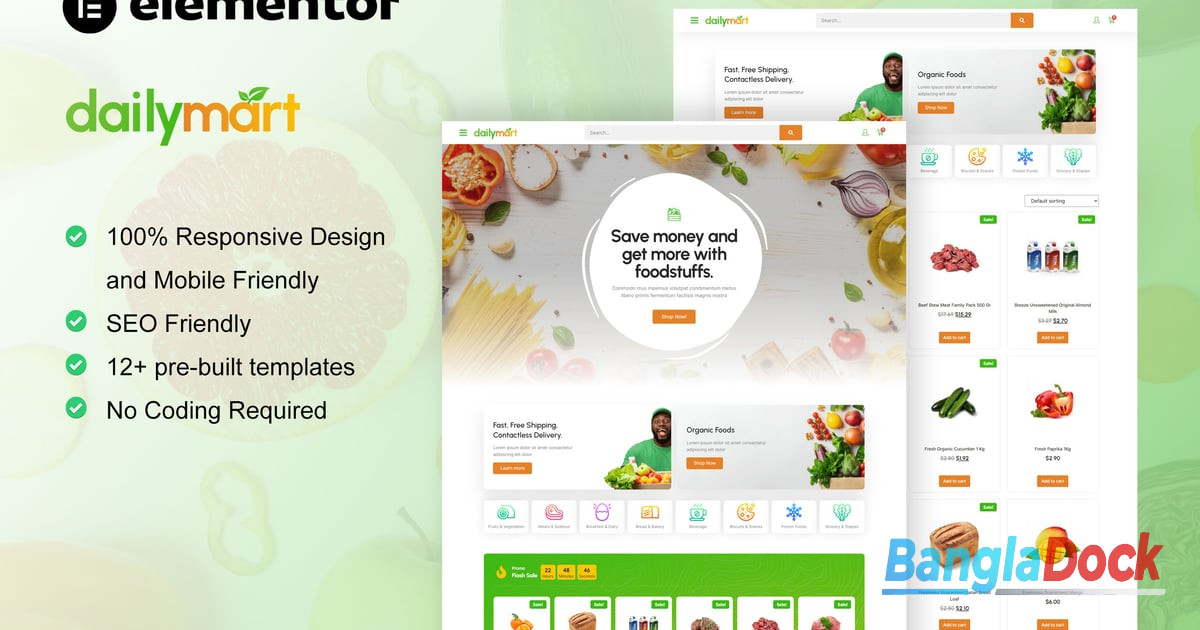
- Business Website Redesign: You've built a stunning business site using an Elementor template kit, perhaps something like the DailyMart – Grocery Store Elementor Template Kit. A new version of Elementor or the template kit itself might offer new widgets or design controls. Updating allows you to leverage these enhancements for a more dynamic and modern look.
Common Mistakes to Avoid When Updating WordPress
- Skipping Backups: This is the cardinal sin. No backup means no recovery path if an update breaks your site.
- Updating on a Live Site Without Testing: Always test updates on a staging environment first. The live site is for proven, stable code.
- Ignoring Update Notifications: Procrastination here can lead to security vulnerabilities, performance degradation, and compatibility issues that are harder to fix later.
- Updating Everything at Once: If you have many updates, do them one by one (plugins first, then themes, then core) or in small batches, testing after each. This helps pinpoint the source of any issues.
- Not Using Child Themes: If you customize your parent theme directly, those changes will be lost during a theme update. Always use a child theme for customizations.
Troubleshooting Update Issues
Even with precautions, issues can arise. Here’s how to approach them:
- White Screen of Death (WSOD): This often indicates a PHP error. Access your site via FTP, navigate to
/wp-content/plugins/, and rename the most recently updated plugin's folder. If the site comes back, that plugin was the culprit. Do the same for themes in/wp-content/themes/if the plugin fix doesn't work. - Plugin/Theme Conflicts: Deactivate all plugins and switch to a default WordPress theme (like Twenty Twenty-Four). If your site functions, reactivate plugins one by one, testing after each, to identify the conflicting one. Do the same for themes if the issue persists.
- Database Errors: If you see database-related errors, try optimizing or repairing your database via phpMyAdmin or a plugin. Ensure your
wp-config.phpfile has the correct database credentials. - Version Rollback: If an update causes irreversible issues, this is where your backup shines. Restore your site from the pre-update backup. Then, investigate the issue in a staging environment before attempting the update again.
Best Practices for Ongoing Site Maintenance and Security
Beyond updates, a holistic approach to maintenance is key:
- Regular Backup Schedule: Automate daily or weekly backups, storing them off-site.
- Security Scans: Use security plugins to regularly scan for malware and vulnerabilities.
- Strong Passwords and User Permissions: Enforce strong passwords and limit user permissions to the minimum necessary.
- Delete Unused Themes and Plugins: Inactive components can still pose security risks or clutter your site. Remove what you don't use.
- Monitor Uptime and Performance: Use tools to track your site's uptime and performance metrics.
- Choose Reputable Sources: Always download plugins and themes from trusted developers or marketplaces. For reliable, clean GPL WordPress products, consider sources like BanglaDock. Understanding the GPL Site Trust can help you make informed decisions about your software sources.
- Stay Informed: Keep abreast of WordPress news, security advisories, and best practices. Resources like Master WordPress: Your Essential Guide can provide continuous learning.
Mastering the art of updating WordPress plugins and themes, combined with vigilant security practices, is not just about keeping your site running; it's about making it thrive. A well-maintained site is a secure, fast, and SEO-friendly site that provides the best experience for your users and protects your digital investment.
Frequently Asked Questions
How often should I update WordPress plugins and themes?
You should update your WordPress plugins and themes as soon as updates become available, especially if they include a security patch. For minor updates, aim for at least weekly checks. For major WordPress core updates, always back up and test on a staging site before updating your live site.
What is a WordPress security patch and why is it important?
A WordPress security patch is a software update specifically designed to fix vulnerabilities or loopholes in the WordPress core, plugins, or themes that could be exploited by attackers. Applying these patches promptly is crucial to protect your website from hacking attempts, malware infections, data breaches, and other cyber threats.
Can updating WordPress plugins or themes break my site?
Yes, updates can sometimes cause conflicts or break functionality due to incompatibility with other plugins, your theme, or custom code. This is why it's critically important to always perform a full site backup before any update and, for production sites, to test updates on a staging environment first. If an issue occurs, you can then restore your site from the backup.