
The Foundation of a Thriving Website: Mastering WordPress Updates and Security
WordPress powers over 43% of the internet, a testament to its flexibility and power. However, this prevalence also makes it a prime target for security vulnerabilities if not properly maintained. Mastering WordPress isn't just about building a beautiful site; it's about understanding the continuous lifecycle of updates, maintenance, and security. Neglecting these aspects can lead to performance issues, security breaches, and a decline in your site's search engine visibility.
This comprehensive guide will walk you through the critical steps to effectively update WordPress plugins, manage theme updates WordPress, implement robust site maintenance SEO strategies, and apply essential WordPress security patch measures. By adopting these practices, you ensure your website remains fast, secure, and highly ranked.
The Lifeline of Your Site: Why You Must Update WordPress Plugins and Themes
Regular updates are not merely suggestions; they are vital for the health and longevity of your WordPress website. Each update typically brings a host of improvements, bug fixes, and, most importantly, security enhancements.
Beyond Features: The Security Imperative of Updates
When developers release an update for a plugin or theme, it often includes fixes for newly discovered security vulnerabilities. Cyber attackers constantly scan for outdated software to exploit known weaknesses. Failing to update WordPress plugins and themes leaves your site exposed to these threats. A single unpatched vulnerability can grant unauthorized access, leading to data breaches, malware injection, or even complete site takeover.
Performance and Compatibility: Keeping Your Site Agile
Updates frequently introduce performance optimizations, making your site load faster and operate more efficiently. Faster loading times directly contribute to a better user experience and improved search engine rankings. Furthermore, theme updates WordPress and plugin updates ensure compatibility with the latest version of WordPress itself, as well as with other plugins and server environments. Running outdated components can lead to conflicts, broken functionalities, or the infamous "White Screen of Death."
Practical Steps to Update WordPress Plugins and Themes Safely
Updating WordPress components doesn't have to be a daunting task. With a structured approach, you can ensure a smooth and secure process.
Preparation is Key: Backup Your WordPress Site
Before initiating any updates, always create a full backup of your website. This includes your WordPress files (themes, plugins, uploads) and your database. In the unlikely event an update causes a critical issue, you can swiftly restore your site to its previous working state. Many hosting providers offer backup solutions, or you can use a dedicated backup plugin. This step is non-negotiable for any serious site owner.
The Update Process: Manual vs. Automatic
WordPress provides a straightforward interface for updates:
- Plugins: Navigate to Dashboard > Plugins > Installed Plugins. Any plugin with an available update will show a notification. Click "Update Now" for each plugin. It's often safer to update one plugin at a time, especially on live sites, to isolate potential issues.
- Themes: Go to Dashboard > Appearance > Themes. Similar to plugins, themes with available updates will display a notification. Click "Update Now."
- Core WordPress: You'll see a prominent notification in your dashboard when a new WordPress core version is available. Simply click "Update Now."
While automatic updates are convenient, especially for minor WordPress core releases and some plugins, manual review and backup prior to major updates are always recommended for critical sites. For e-commerce sites, managing customer data and promotions is vital; tools like the WooCommerce Customer Order Coupons CSV Import Suite can streamline complex operations, making their updates particularly sensitive.
Leveraging Staging Environments for Seamless Updates
For mission-critical websites, a staging environment is invaluable. This is a clone of your live site where you can test all updates, new plugins, or theme changes without affecting your live audience. Once you've confirmed everything works correctly on staging, you can then push the updates to your production site. Many web hosts offer staging environments as part of their services.
Proactive Site Maintenance SEO: More Than Just Updates
Site maintenance SEO encompasses a broader range of activities beyond just updating software. These practices ensure your site remains optimized for search engines and provides an excellent user experience.
Database Optimization and Cleanup
Over time, your WordPress database can accumulate unnecessary data like post revisions, spam comments, and transient options. Regular database optimization can significantly improve your site's speed. Plugins can assist with this, or you can use tools like phpMyAdmin (with caution and a backup).
Image Optimization for Speed and Ranking
Large, unoptimized images are a common culprit for slow loading times. Ensure all images are properly sized, compressed, and use modern formats like WebP where possible. This directly impacts your Core Web Vitals, a key ranking factor for search engines.
Regular Content Audits and Broken Link Checks
Perform periodic audits of your content to identify outdated information, broken links, or opportunities for improvement. Broken links frustrate users and signal neglect to search engines, negatively impacting your site maintenance SEO efforts. Tools are available to scan for and report broken links.
Monitoring Uptime and Performance
Consistent uptime and fast performance are crucial. Utilize monitoring services that alert you to downtime or significant performance dips. Addressing these issues promptly is vital for user trust and SEO.
Safeguarding Your Site: Implementing WordPress Security Patches
A proactive approach to security is paramount. A WordPress security patch is a critical fix for identified vulnerabilities, and applying them swiftly is your first line of defense.
Understanding Vulnerabilities and Patches
Security vulnerabilities can range from cross-site scripting (XSS) to SQL injection flaws, allowing attackers to manipulate your site or steal data. Developers release patches to close these loopholes. Keeping all components updated is the most effective way to apply these patches.
Essential Security Plugins and Practices
Beyond updates, integrate a robust security plugin (e.g., Wordfence, Sucuri) to provide a firewall, malware scanning, and brute-force protection. Other practices include:
- Using strong, unique passwords for all user accounts.
- Implementing two-factor authentication (2FA).
- Limiting login attempts.
- Changing the default WordPress login URL.
- Regularly scanning your site for malware.
To enhance user interaction and data collection, robust form builders such as the WPForms Pro Bundle + All Addons are indispensable for any professional WordPress setup, and keeping them updated is part of your security routine.
The Role of Hosting in WordPress Security
Choose a reputable WordPress host that offers server-level security, firewalls, regular backups, and malware scanning. A good host acts as an additional layer of defense for your website.
Common Mistakes to Avoid During WordPress Updates and Maintenance
Even experienced users can fall into common traps. Being aware of these can save you significant headaches.
Skipping Backups
This is the most critical mistake. Without a recent backup, recovering from a failed update can be impossible, potentially leading to significant downtime or data loss.
Ignoring Compatibility Warnings
Before updating, always check plugin and theme compatibility with your current WordPress version. Developers usually specify the tested WordPress version. Ignoring these warnings can lead to immediate conflicts.
Updating All at Once Without Testing
On a live site, updating multiple plugins and themes simultaneously makes it difficult to pinpoint the source of an issue if one arises. Update one by one, testing functionality after each update.
Neglecting Core WordPress Updates
While plugin and theme updates are crucial, ignoring core WordPress updates leaves your entire platform vulnerable. Core updates often contain the most critical security patches and performance improvements.
Troubleshooting Update Issues and Recovering Your WordPress Site
Despite best practices, issues can sometimes occur. Knowing how to troubleshoot is a key part of WordPress mastery.
White Screen of Death (WSOD)
This usually indicates a PHP error. To diagnose, enable WordPress debugging by adding define( 'WP_DEBUG', true ); to your wp-config.php file. This will display error messages that can point to the problematic plugin or theme.
Plugin/Theme Conflicts
If an update breaks your site, the first step is to deactivate all plugins. If the site comes back, reactivate them one by one to identify the culprit. Do the same for your theme, temporarily switching to a default WordPress theme (like Twenty Twenty-Four) to see if the issue resolves. For a deeper understanding of sourcing reputable GPL products, refer to our article on GPL Site Trust.
Database Errors
Messages like "Error establishing a database connection" usually point to incorrect database credentials in wp-config.php or an issue with your database server. Consult your hosting provider if you suspect server-side database problems.
Reverting to a Previous Backup
If troubleshooting fails, your reliable backup is your safety net. Restore your site to the state it was in before the problematic update. Then, you can try updating components individually or seek professional help.
Best Practices for a Resilient WordPress Ecosystem
Building a robust WordPress site requires ongoing commitment to best practices.
Establish a Regular Maintenance Schedule
Set a recurring schedule for backups, updates, database optimization, and security scans. Weekly checks for updates and monthly comprehensive maintenance are good starting points.
Source Reliable Themes and Plugins
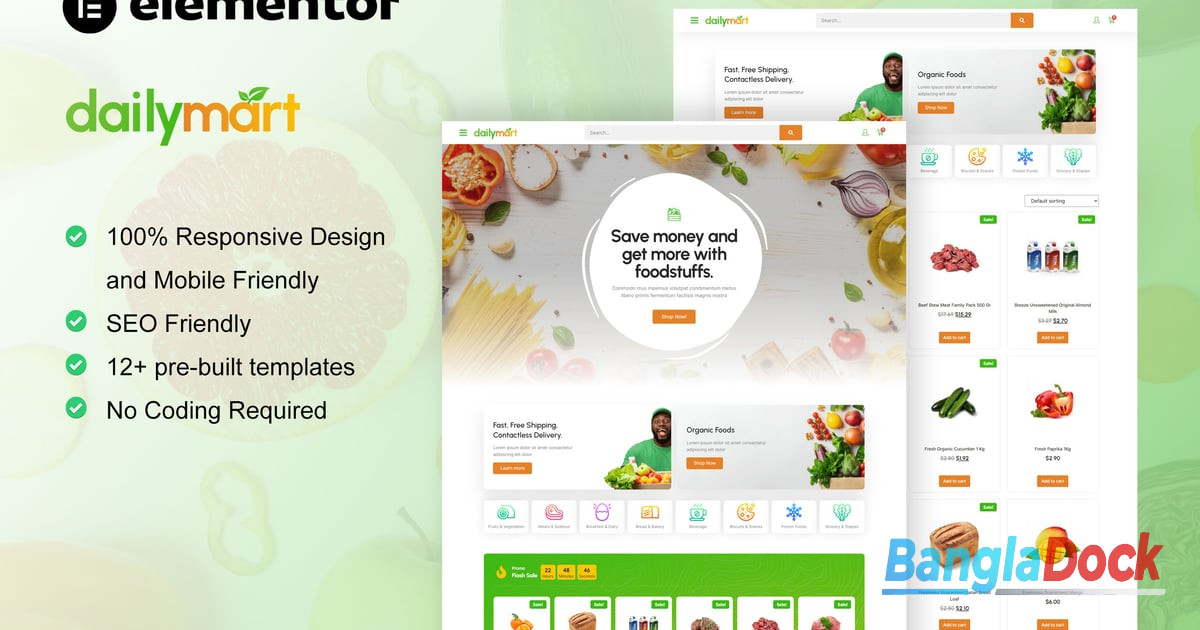
Always download themes and plugins from reputable sources. Premium themes and plugins often come with better support and more frequent updates. When considering premium themes or template kits, ensure they come from reputable sources, much like specialized kits such as the DailyMart – Grocery Store Elementor Template Kit, which provides a solid foundation for specific niches. For clean, secure premium GPL WordPress themes and plugins, consider sources like BanglaDock.
Stay Informed on WordPress News and Security Alerts
Subscribe to WordPress news feeds and security blogs. Being aware of new vulnerabilities or critical updates allows you to act swiftly.
Utilize Performance Monitoring Tools
Tools like Google PageSpeed Insights, GTmetrix, or Pingdom can help you continually monitor your site's performance and identify areas for improvement, contributing to excellent site maintenance SEO.
To further explore the full potential of your WordPress installation, consider reading Unlock WordPress Power: The Ultimate.
Conclusion
Mastering WordPress involves a commitment to continuous learning and proactive maintenance. Regularly updating WordPress plugins, diligently managing theme updates WordPress, implementing strategic site maintenance SEO, and promptly applying every WordPress security patch are not optional tasks; they are fundamental pillars of a successful online presence. By integrating these practices into your routine, you not only protect your investment but also ensure your website delivers a superior experience to your visitors and maintains its competitive edge in search rankings.
Frequently Asked Questions
How often should I update WordPress plugins and themes?
Ideally, you should check for and apply updates for WordPress core, plugins, and themes as soon as they become available. This is particularly important for security updates. For non-critical updates, a weekly or bi-weekly check is a good practice. Always back up your site before performing any updates.
What should I do if a WordPress update breaks my website?
If an update causes issues, the first step is to restore your site from the backup you created before the update. Once restored, you can try troubleshooting by deactivating plugins one by one to identify conflicts, or temporarily switching your theme. Enabling WordPress debugging can also provide error messages that help pinpoint the problem.
Is it safe to use automatic updates for WordPress components?
For minor WordPress core updates (e.g., 6.0.1 to 6.0.2) and some less critical plugins, automatic updates can be convenient. However, for major WordPress core updates, or significant plugin/theme updates, it's generally safer to perform a manual update after creating a full backup and, if possible, testing on a staging environment. This allows you to catch any compatibility issues before they affect your live site.