

What is the difference between a nulled plugin and a GPL plugin?
If you work with WordPress long enough, you will run into two terms that are often confused: nulled plugin and GPL plugin. They are not the same thing, and mixing them up can lead to security problems, legal confusion, broken updates, and expensive cleanup work.
The short version is this: a GPL plugin is a WordPress plugin distributed under the GNU General Public License, which allows redistribution under specific freedoms. A nulled plugin is usually a modified copy of a premium plugin or theme where licensing checks are removed, repackaged, or tampered with. In many cases, nulled files are bundled with hidden malware, spam injections, backdoors, or unauthorized code changes.
For WordPress site owners, agencies, and developers, this difference matters because a plugin source affects security, update reliability, support access, and long-term maintainability. If you want a safe source for redistributed GPL products, BanglaDock positions itself around clean, secure premium GPL WordPress themes and plugins.
Nulled plugin vs GPL plugin at a glance
| Factor | GPL Plugin | Nulled Plugin |
|---|---|---|
| License basis | Distributed under GPL terms | Usually a tampered or unauthorized modified copy |
| Code integrity | Can be original and untouched when sourced from a trusted provider | Often altered to bypass activation or licensing |
| Security risk | Depends on source, but can be safe from reputable GPL vendors | High risk of malware, hidden code, spam, or backdoors |
| Updates | May be available through the vendor or manual distribution channel | Often unreliable, delayed, or intentionally broken |
| Developer support | May or may not be included, depending on seller terms | Usually not available from the original developer |
| Legal and ethical standing | Can be legitimate when redistribution follows GPL rules | Frequently tied to deceptive distribution practices |
| Best use case | Sites that need affordable access from a trustworthy GPL source | Should be avoided on production websites |
What a GPL plugin actually means in WordPress
WordPress itself is licensed under the GPL, and that license has shaped the plugin and theme ecosystem for years. In practical terms, GPL software gives users the freedom to run, study, modify, and redistribute the code. That is why many premium WordPress plugins can legally be redistributed, at least for the PHP code portion that inherits GPL compatibility.
That does not automatically mean every GPL download website is safe. A legitimate GPL plugin is still only as trustworthy as the source providing it. A clean copy from a reputable distributor is very different from a random download portal built around pirated files and ad-heavy redirects.
If you want a deeper legal and practical breakdown, this related guide is worth reading: Crack vs Null vs GPL WordPress Themes & Plugins – What You Should Use?.
What makes a plugin “nulled”?
A nulled plugin is generally a premium plugin that has been altered to disable license verification, activation checks, remote validation, or usage restrictions. The modification itself is the warning sign. Even when the plugin appears to work, the code has been changed from the original release state.
Those changes may be minor, such as removing a license check. They may also be dangerous, such as:
- Injecting hidden admin users
- Adding remote code execution paths
- Embedding spam links for SEO abuse
- Loading malicious JavaScript into site pages
- Creating scheduled tasks that reinstall malware after cleanup
From a developer perspective, this is why “it installed fine” means very little. A compromised plugin can sit quietly until a specific trigger runs, an external server responds, or a cron job executes.
Why people confuse nulled plugins with GPL plugins
The confusion usually comes from the fact that both may involve redistribution of premium WordPress products. Some sellers and download sites misuse the term “GPL” to make a nulled plugin sound legitimate. They rely on users not checking whether the files are original, scanned, or sourced responsibly.
The key difference is intent and integrity:
- GPL plugin distribution focuses on lawful redistribution of GPL-licensed code
- Nulled plugin distribution usually focuses on bypassing licensing controls through altered files
In real projects, this distinction affects whether you can trust the package in your repository, install it on a client site, or include it in a repeatable deployment workflow.
Real-world use cases developers should care about
Agency builds for client sites
If your team manages multiple WordPress builds, a trusted GPL source can reduce costs while keeping deployments predictable. A nulled plugin, on the other hand, introduces unknown code into every client environment. That becomes a serious liability when malware appears across several sites at once.
Staging and local development
Some developers use GPL-distributed plugins for local testing before buying direct support from the original author. That can be a workable path if the source is reputable and the package is clean. Using nulled software even in development is risky because infected code can spread through backups, Git mistakes, ZIP archives, or shared hosting credentials.
Niche site launches and rapid prototyping
When launching a store, lead-generation funnel, or digital workflow, reliable plugin behavior matters more than a short-term cost saving. For example, if you need advanced forms, using a maintained package like WPForms Pro Bundle + All Addons is a far better choice than searching for random “free premium” copies that may be tampered with.
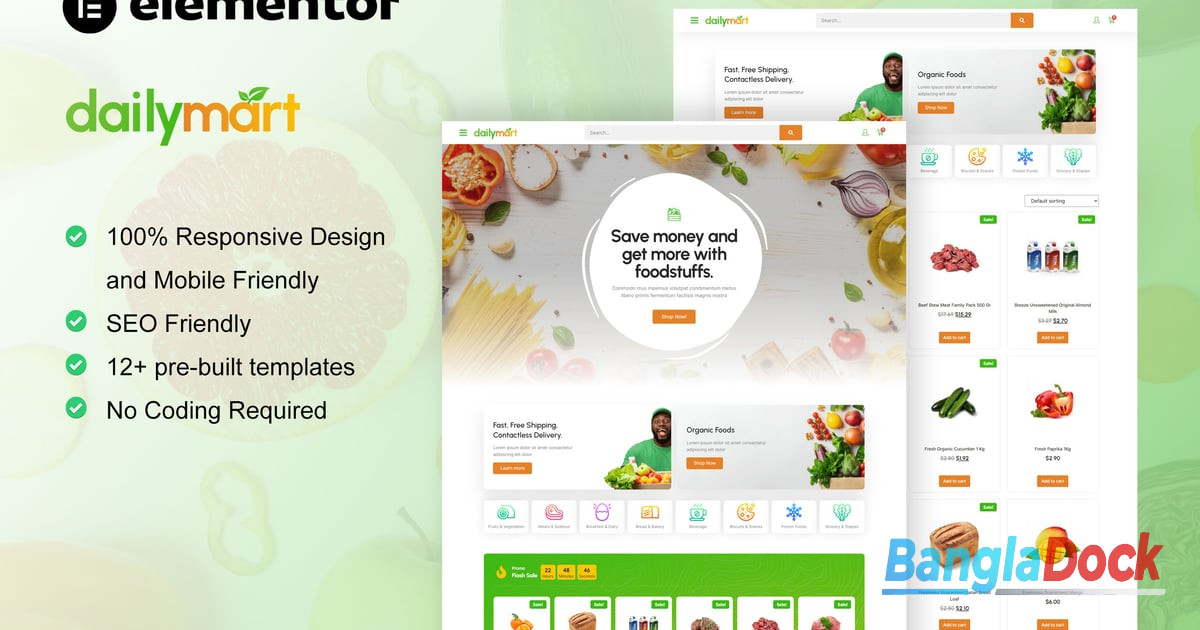
The same applies to design assets and business plugins. If you are building an Elementor-based online grocery storefront, a packaged resource such as DailyMart – Grocery Store Elementor Template Kit is a safer route than downloading an unknown archive from a null site. If your workflow needs document approvals, WP E-Signature – Bundle with all addons fits a legitimate business use case where trust and data handling matter.
Security, updates, and support: the practical difference
Security posture
A clean GPL plugin from a trustworthy source can be scanned, audited, and managed like any other third-party dependency. A nulled plugin starts with a broken trust model because you already know the code was modified outside the original release process.
Update reliability
Updates are where many site owners feel the pain first. GPL-distributed plugins may require manual update workflows or vendor-provided package updates. Nulled plugins often break when the original developer changes licensing logic, API endpoints, or onboarding flows.
Support expectations
GPL redistribution does not always include direct support from the original author. That is normal. Nulled copies usually provide no dependable support at all, and the distributor often disappears once issues start.
How to tell whether a GPL download source is trustworthy
Before installing any redistributed WordPress plugin, verify the source like you would any software vendor. Review transparency, update practices, reputation, and whether the provider explains what is and is not included. This guide covers the evaluation process in more detail: How can I tell whether a GPL download source is trustworthy?.
As a practical checklist, look for these signals:
- Clear business identity and contact details
- No misleading “100% original” claims without context
- Packages that are malware-scanned and consistently updated
- Reasonable documentation around installation and versioning
- A catalog that resembles a maintained store, not a spam download farm
Common mistakes to avoid
- Assuming “GPL” always means safe. The license does not validate the file source.
- Installing plugins from SEO-spam download pages. Low-trust sites often wrap downloads in deceptive ads and modified archives.
- Using nulled plugins on client projects. This exposes you to security, uptime, and reputation damage.
- Ignoring file integrity checks. Even a working plugin can contain hidden payloads.
- Skipping backups before replacing suspicious plugins. Cleanup sometimes reveals deeper infections in uploads, database entries, or cron jobs.
Troubleshooting and diagnostic steps if you suspect a nulled plugin
If a site behaves strangely after a plugin install, investigate methodically. An illustrative workflow looks like this:
- Put the site in maintenance mode or restrict access if you suspect active compromise
- Check recently added plugins and compare filenames against official release packages
- Scan the plugin directory for obfuscated code, unexpected `base64_decode`, `eval`, or remote include patterns
- Review WordPress admin users for unknown accounts
- Inspect scheduled tasks, modified core files, and unusual outbound requests
- Replace the plugin with a clean package from a trusted source and rotate sensitive credentials
If the site is already infected, removing the plugin alone may not be enough. Attackers often leave persistence mechanisms in the database, uploads directory, or `wp-config.php`-adjacent files. On production systems, a full malware review is the safer path.
Best practices when choosing between nulled and GPL options
- Use only trusted GPL vendors or buy direct from the original developer when support is a priority
- Keep a clean plugin inventory with version tracking for every client or project
- Scan ZIP files and monitor file changes after installation
- Test redistributed plugins in staging before production rollout
- Document where each premium plugin was sourced and how updates will be handled
- Avoid any source that markets “nulled,” “activated,” or “license removed” packages
Which option should you use?
If your choice is between a nulled plugin and a GPL plugin from a trusted source, the GPL option is the safer and more professional route. It aligns better with WordPress licensing principles and gives you a chance to work with clean, maintainable files. A nulled plugin offers short-term convenience at the cost of trust, security, and future stability.
For most site owners and developers, the real decision is not just “free vs paid.” It is whether the software supply chain is dependable. Clean files, accountable vendors, and predictable update practices save far more time than they cost.
That is why many WordPress professionals prefer curated sources such as BanglaDock when they need access to premium GPL WordPress themes and plugins without stepping into the risks commonly associated with nulled downloads.
Frequently Asked Questions
Is a GPL plugin legal to use in WordPress?
Yes, a GPL plugin can be legal to use and redistribute when it follows the GNU General Public License terms. In the WordPress ecosystem, many plugins are GPL-compatible because WordPress itself is GPL-licensed. The legal question is separate from the trust question. A GPL plugin may be lawful, but you still need to verify that the source is reputable and that the files have not been altered.
Why are nulled plugins dangerous even if they seem to work?
Nulled plugins are dangerous because they are usually modified copies of premium software. That modification can include hidden malware, spam injections, backdoors, or code designed to bypass licensing systems. A site may appear normal at first, but the plugin can later create admin users, inject harmful scripts, or open remote access paths. Working functionality does not prove file integrity.
Can I use a GPL plugin instead of buying directly from the original developer?
You can, but you should understand the tradeoff. A trusted GPL source may provide clean files at a lower cost, which can be useful for developers, testing, or budget-conscious projects. Still, buying directly from the original developer often gives you official support, automatic updates, and direct access to the product team. If the plugin is business-critical, direct purchase is often the stronger long-term option.