

How can I tell whether a GPL download source is trustworthy?
If you work with WordPress long enough, you will eventually compare GPL download sources. Some websites look polished, promise lifetime access, and list premium plugins or themes at very low prices. That does not automatically make them unsafe, but it does mean you need a clear process for checking whether the source is reliable.
The core question is not simply whether a product is “GPL.” The better question is whether the source distributes authentic files, keeps packages updated, avoids malware or adware, and provides enough transparency for developers, site owners, and agencies to use the downloads with confidence.
If you need a baseline refresher on licensing, start with Understanding GPL Licenses: A Complete Guide for Beginners. That context helps separate license rights from distribution quality, support expectations, and operational risk.
What makes a GPL download source trustworthy?
A trustworthy GPL source does more than host ZIP files. It gives you evidence that the files are original, unmodified except where clearly disclosed, and maintained with a process you can evaluate. In practical WordPress terms, trust usually comes from transparency, update hygiene, reputation, and technical integrity.
For example, a legitimate store should explain where its products come from, how updates are handled, whether support is included, and what users should expect about license keys, automatic updates, or cloud-based features. A vendor that hides these details creates unnecessary risk.
That is one reason many users prefer established GPL marketplaces such as BanglaDock when looking for clean, secure premium GPL WordPress themes and plugins. Clear policies and consistent product information reduce guesswork before you install anything on a live site.
Key checks before downloading any GPL theme or plugin
1. Review the source’s transparency
Start with the website itself. A trustworthy GPL source usually provides a real business identity, working contact details, refund terms, update policy, and product-specific notes. You should be able to answer basic questions such as:
- Who operates the site?
- How are files obtained and verified?
- How often are products updated?
- Are support, license keys, and automatic updates included or excluded?
- What happens if a file is broken or outdated?
If the source only pushes urgency, deep discounts, and vague promises, treat that as a warning sign.
2. Check whether the files appear original and complete
A trustworthy GPL distributor should offer the exact plugin or theme package needed for installation, without suspicious repackaging. Watch for renamed archives, bundled installers you did not ask for, or extra files that do not belong to the product.
Illustrative example: if you download a WordPress form plugin, the package should resemble the original product structure and not include unrelated executables, hidden redirects, or forced ad pages. If you are evaluating premium form tools, compare the package details against a known product listing such as WPForms Pro Bundle + All Addons to see whether the source communicates clearly about what is included.
3. Verify update recency
Outdated GPL products are a serious risk. A plugin can be legally redistributed under GPL and still be operationally unsafe if it misses security patches or compatibility fixes. Check the listed update date and compare it with the public release history from the original developer when available.
If a source regularly lags behind major releases, you may face plugin conflicts, PHP compatibility errors, or broken integrations after a WordPress core update.
4. Inspect reputation beyond on-site testimonials
Do not rely only on reviews published by the store itself. Search for independent discussions in WordPress communities, developer forums, Reddit threads, or public review platforms. Look for patterns rather than isolated praise or complaints.
Useful signs include repeated mentions of clean files, prompt updates, and accurate product descriptions. Concerning signs include reports of injected code, invalid archives, fake changelogs, or disappearing download links after purchase.
5. Test the files in a staging environment
Even when the source looks credible, never install a freshly downloaded GPL file directly on a production site. Use a staging site, local environment, or sandbox WordPress instance first. This is standard practice for agencies and careful site owners because it lets you validate:
- Installation behavior
- Plugin activation results
- Unexpected admin notices or redirects
- Compatibility with your theme and existing stack
- Whether the product tries to fetch remote assets or activate hidden services
Technical indicators developers should check
Trustworthiness is not just a branding question. It is also a code and operations question. If you are technically comfortable, there are several practical checks that improve confidence.
Scan the archive before installation
Use your security tooling to scan the ZIP contents. This can include endpoint protection, malware scanning plugins on a staging site, or manual inspection of suspicious PHP files. Pay special attention to obfuscated code, long encoded strings, hidden admin creation routines, and unexpected external requests.
Compare file structure with the original product
If you have access to documentation, changelogs, or screenshots from the original vendor, compare the directory layout and package naming. A legitimate GPL source should not need to conceal what the product actually is.
Look for changelog consistency
Trustworthy sources tend to publish realistic version numbers and update notes. If a site lists every product as “latest version” but offers no dates, no changelog references, and no proof of maintenance, that is weak operational transparency.
Check activation expectations
Some GPL products work without issue after manual installation, while some premium features depend on vendor APIs, cloud services, or license-based support access. A reliable source should explain these limitations clearly instead of implying that every feature will work exactly like a direct purchase from the original author.
Common mistakes to avoid when choosing a GPL download source
- Assuming GPL means risk-free: GPL covers licensing rights, not the quality or safety of a distributor.
- Buying on price alone: The lowest price is often attractive, but poor update practices can cost more in downtime and cleanup.
- Skipping staging tests: Installing directly on a live site can turn a bad download into a full production incident.
- Ignoring product limitations: Some plugins rely on third-party APIs, SaaS connections, or official support channels that a redistributed copy may not include.
- Trusting anonymous stores: If there is no identifiable operator, policy page, or support path, accountability is low.
Real-world use cases where source trust matters
Agency builds with multiple client sites
An agency managing many WordPress sites needs repeatable reliability. A single compromised plugin package can affect multiple client environments. In that situation, working with a vetted store and testing each release in staging is not optional; it is part of responsible deployment practice.
Niche site launches using premium templates
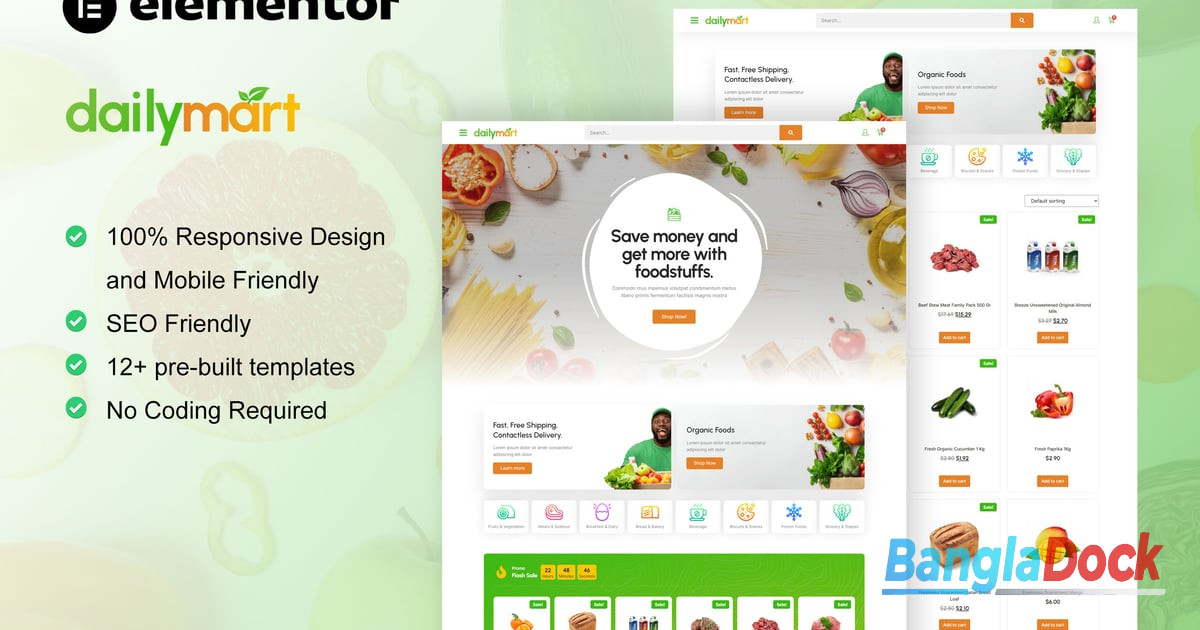
If you are building a store or landing page with a premium template kit, file integrity matters because front-end assets, Elementor templates, and import configurations can break easily when packages are altered. For example, if you plan to use a design package like DailyMart – Grocery Store Elementor Template Kit, you want a source that delivers complete, clean import files and keeps compatibility information current.
Business workflows that depend on document signing or forms
Plugins tied to contracts, leads, or regulated business processes require extra caution. A broken update or modified file in a signature workflow can create operational problems very quickly. If your site depends on advanced signing flows, reviewing a reputable listing such as WP E-Signature – Bundle with all addons can help you judge whether the distributor explains product scope, update expectations, and add-on availability clearly.
Troubleshooting: what to do if you are unsure about a source
If you already found a GPL download source but are not fully confident, use this diagnostic process before you commit.
Step 1: Validate the website signals
Check the About page, Terms, Privacy Policy, support channels, and refund policy. If these are missing or copied poorly, stop there.
Step 2: Review one product page carefully
Look at version number, update date, included files, installation notes, and limitations. Generic content pasted across every product usually signals low-quality operations.
Step 3: Search for independent feedback
Use branded searches plus terms like “review,” “malware,” “outdated,” or “support.” A few complaints are normal for any store, but recurring technical issues are more meaningful.
Step 4: Download and inspect in a sandbox
Unzip the package locally, scan files, and install only on a disposable or staging site. Monitor activation behavior and inspect any unusual outbound requests or injected admin notices.
Step 5: Compare the maintenance pattern
If the source consistently updates products close to upstream releases and communicates clearly, that is a positive sign. If listings look abandoned, choose another vendor.
Best practices for safely using GPL downloads on WordPress sites
- Use reputable GPL marketplaces with clear update and support policies.
- Maintain a staging workflow for every plugin and theme change.
- Keep regular backups before installation or updates.
- Run security scans on downloaded archives and on the staging site after activation.
- Document which GPL source supplied each product for future audits and troubleshooting.
- Monitor plugin compatibility with your PHP version, WordPress core, and other extensions.
- Prefer distributors that are transparent about what is and is not included.
A practical standard for deciding
A GPL download source is trustworthy when it is transparent, technically clean, operationally consistent, and honest about limitations. That means you can evaluate the distributor before installing anything, verify the files in a safe environment, and understand how updates and support will work over time.
For developers and site owners, that is the real benchmark. The safest choice is not the loudest marketplace or the cheapest listing. It is the source that gives you enough evidence to make a confident technical decision. If you are building WordPress projects regularly, keeping a shortlist of dependable vendors such as BanglaDock can save time and reduce avoidable risk.
If you want to continue refining your WordPress buying and build process, a useful next read is How to Build a High-Converting WordPress Landing Page with Astra Pro in 2025, especially if your next step is turning trustworthy tools into a production-ready site.
Frequently Asked Questions
Does GPL licensing guarantee that a download source is safe?
No. GPL licensing tells you about redistribution rights, not whether the distributor provides clean, updated, and unmodified files. A source can legally redistribute GPL software and still do a poor job with update hygiene, file integrity, or transparency. That is why you should review policies, reputation, update recency, and staging test results before using any download on a live WordPress site.
What are the biggest warning signs of an untrustworthy GPL source?
Common warning signs include missing business details, unclear refund or support policies, outdated version listings, no changelog information, suspicious packaging, and reports of malware or broken files from independent reviewers. Another red flag is a product page that promises full premium functionality without explaining likely limitations around support access, cloud services, or official license-key features.
How should I test a GPL plugin or theme before using it on my site?
Install it on a staging site or local WordPress setup first. Scan the archive, review the file structure, activate the product, and check for unusual admin behavior, redirects, or compatibility errors. You should also verify that core features work as expected with your current theme, plugins, PHP version, and WordPress release. Only move the product to production after it passes those checks.