

Nulled vs GPL Plugins in 2025: What Actually Separates Them?
If you run WordPress sites long enough, you will eventually face the same question: should you download a premium plugin from a GPL marketplace, or is a cheaper nulled copy “close enough”? In 2025, that choice still has serious consequences for security, maintenance, licensing clarity, and business continuity.
The short version is simple: GPL plugins are not the same as nulled plugins. A GPL plugin is distributed under the GNU General Public License, which allows redistribution of WordPress-derived code. A nulled plugin is typically a modified or repackaged premium product, often with license checks removed, code altered, or files injected in ways the original developer never intended.
That difference matters in real projects. Agencies, store owners, bloggers, and developers need tools that update cleanly, avoid malware risk, and remain supportable over time. If you are sourcing WordPress products from a third-party provider, start with a trusted source such as BanglaDock for clean, secure premium GPL WordPress themes and plugins.
What Is a GPL Plugin?
A GPL plugin is a WordPress plugin distributed under the same open-source licensing model that powers WordPress itself. In practice, that means the software code can usually be used, studied, modified, and redistributed. This is why third-party GPL stores exist in the WordPress ecosystem.
That said, licensing freedom does not automatically guarantee quality. A GPL download can still be outdated, poorly packaged, or served from an unsafe source. The safest approach is to verify the provider, file integrity, update process, and reputation before installation.
For a deeper validation checklist, see How to Verify if a GPL Download Source Is Safe and Legitimate in 2025.
What Is a Nulled Plugin?
A nulled plugin is usually a premium plugin that has been altered to bypass activation, license verification, or usage restrictions. In many cases, the package may also contain hidden PHP, obfuscated JavaScript, spam links, backdoors, or code that phones home to external servers.
Not every nulled file looks suspicious at first glance. Some install normally and appear fully functional. That is exactly why they are risky. The problem often shows up later as strange admin users, SEO spam, unauthorized redirects, database bloat, or a hacked checkout flow.
If you want a broader overview of how cracked, nulled, and GPL products differ, read Cracked, Nulled, or GPL WordPress Themes and Plugins: What’s Safe to Use in 2025?.
Quick Comparison Table: Nulled vs GPL Plugins in 2025
- Licensing: GPL plugins are redistributed under open-source licensing terms; nulled plugins are altered copies designed to bypass original controls.
- Code integrity: GPL plugins can be clean and untouched; nulled plugins are often modified, which introduces uncertainty.
- Security risk: GPL plugins from trusted vendors can be low risk; nulled plugins carry a high risk of malware, backdoors, or hidden payloads.
- Updates: GPL providers may offer clean package updates; nulled plugins often break update paths or require unsafe manual replacements.
- Support: GPL marketplaces may offer limited delivery support; nulled plugins rarely provide reliable technical help.
- Compliance: GPL distribution can be legitimate; nulled distribution often creates legal and ethical problems around altered commercial software.
- Business suitability: GPL products can work for staging, testing, and cost-conscious builds; nulled plugins are a poor choice for production sites.
Key Risks of Using Nulled Plugins
Security Exposure
The biggest risk is unauthorized code execution. A single hidden function can create an admin account, inject spam pages, alter payment workflows, or expose customer data. In WooCommerce stores, this can become an operational and reputational disaster.
Broken Update Chains
Premium plugins evolve quickly. When a plugin is nulled, its normal licensing and update flow is often disabled or replaced. That means you may miss security patches, bug fixes, compatibility releases, and PHP version support.
SEO Damage
Nulled packages are a known route for spam injection. A compromised plugin can silently add cloaked links, doorway pages, or redirect rules that damage rankings and user trust. Many site owners first discover the problem only after search console warnings or traffic loss.
No Reliable Support
When something breaks, you are usually on your own. Original developers generally do not support altered copies. That leaves you debugging plugin conflicts, fatal errors, and data corruption without a dependable vendor channel.
Compliance and Client Risk
For agencies and freelancers, deploying nulled software on client sites introduces avoidable risk. If a breach or outage happens, you may need to explain why an altered plugin package was used instead of a clean distribution path.
Where GPL Plugins Fit in Real WordPress Workflows
GPL plugins can be practical in legitimate scenarios, especially when sourced responsibly. Developers often use them for staging environments, feature testing, training builds, or budget-sensitive projects that still need premium functionality.
For example, an illustrative use case would be testing advanced form workflows with WPForms Pro Bundle + All Addons before a client commits to a final production stack. Another illustrative use case is building a promotional WooCommerce workflow with WooCommerce Customer Order Coupons CSV Import Suite when you need to validate coupon import logic on a sandbox site.
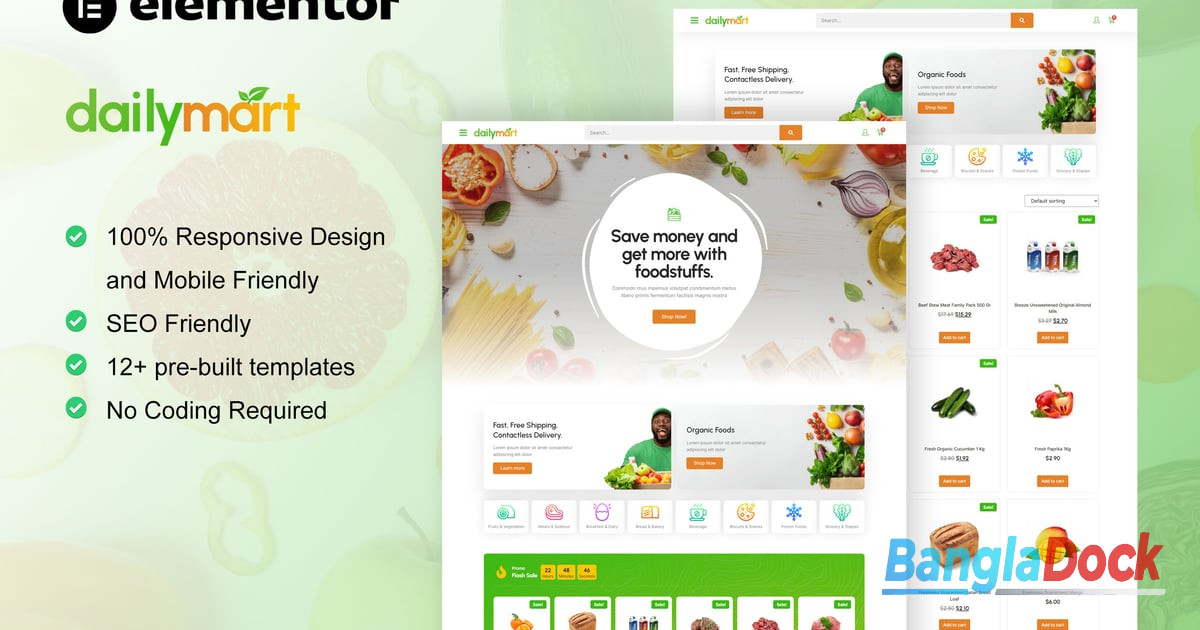
GPL access can also help when assembling quick design proofs. If you are prototyping a grocery storefront, DailyMart – Grocery Store Elementor Template Kit can speed up layout testing and content planning before final launch decisions are made.
How to Tell Whether a Download Is GPL or Nulled
The label on the download page is not enough. Some websites advertise “GPL” while distributing altered files. Use a basic verification process before installing any plugin or theme.
- Check the source reputation: Look for a real business presence, active catalog maintenance, clear terms, and transparent product delivery.
- Inspect the package: Compare file structure with the official plugin release when possible. Unexpected files, encoded payloads, or hidden admin scripts are red flags.
- Scan before activation: Use malware scanning, checksum comparison when available, and a safe staging environment.
- Review update behavior: A trustworthy GPL source should provide a sensible update path rather than patched license-bypass code.
- Watch for obfuscation: Excessive use of encoded PHP, strange remote requests, or suspicious cron jobs deserves immediate attention.
Troubleshooting Signs of a Bad Plugin Download
If you already installed a plugin and now suspect trouble, diagnose the site before the issue spreads.
Common Warning Signs
- Unexpected admin accounts appearing in WordPress users.
- Outbound spam or redirects that were not configured by your team.
- Modified core files or unexplained changes inside wp-content.
- Database anomalies such as unknown options, scheduled tasks, or hidden pages.
- Security plugin alerts triggered right after installing a new plugin package.
Diagnostic Steps
- Isolate the site: Put the site in maintenance mode if customer transactions or personal data may be affected.
- Clone to staging: Reproduce the issue safely before deleting anything on production.
- Disable the suspect plugin: Check whether redirects, errors, or admin changes stop.
- Scan files and database: Look for injected code, remote callouts, and unfamiliar scheduled events.
- Replace with a clean copy: Reinstall the plugin from a verified source and rotate admin credentials.
Common Mistakes to Avoid
- Assuming “GPL” means “safe”: The license model and the file integrity are separate issues.
- Installing directly on production: Every third-party plugin should be tested on staging first.
- Ignoring update history: Even a clean plugin becomes risky when it is outdated and unsupported.
- Trusting anonymous download sites: Low prices and “lifetime access” claims are not proof of legitimacy.
- Skipping post-install checks: Always inspect users, cron jobs, file changes, and security logs after installation.
Best Practices for Safer Plugin Sourcing in 2025
- Use trusted GPL providers: Choose vendors with a consistent reputation and clean delivery practices.
- Maintain a staging workflow: Test compatibility with your theme, PHP version, and critical plugins first.
- Keep backups ready: Store recent file and database backups before every new installation or update.
- Scan and monitor: Pair plugin vetting with security monitoring, file integrity checks, and activity logging.
- Document every source: Agencies should keep records of where each plugin came from and when it was updated.
- Prefer clean GPL over nulled copies: If cost is the concern, a verified GPL source is the safer route.
Which Option Makes Sense for Developers, Agencies, and Store Owners?
For most professional WordPress workflows, the answer is straightforward. Nulled plugins are not worth the risk. The short-term savings can quickly turn into malware cleanup, ranking loss, broken checkout flows, and damaged client trust.
GPL plugins are different. They can be a workable option when you understand the licensing model and choose a reputable source. The quality of the provider matters as much as the code itself. If you rely on third-party GPL downloads, stick with vendors that prioritize clean files, regular updates, and predictable delivery.
For developers, that means faster prototyping without reckless shortcuts. For agencies, it means reducing security incidents and keeping client environments defensible. For ecommerce owners, it means avoiding avoidable risks in the parts of the site that handle orders, forms, payments, and customer data.
Final Take on Nulled vs GPL Plugins in 2025
The real comparison is not “free versus paid.” It is clean distribution versus altered distribution. GPL plugins can be legitimate, practical, and cost-effective when they come from a source you trust. Nulled plugins remain a high-risk shortcut that creates technical debt from day one.
If you want premium WordPress functionality without stepping into the usual trap, focus on clean GPL sourcing, safe staging practices, and active security monitoring. That approach gives you flexibility without gambling with your site.
Frequently Asked Questions
Are GPL plugins legal to use in WordPress?
In many cases, yes. WordPress and most plugins built on top of it inherit GPL licensing requirements for the code portion, which allows redistribution. What you still need to verify is whether the source is reputable, the files are unmodified, and any bundled assets or support terms are clearly explained.
Why are nulled plugins more dangerous than GPL plugins?
Nulled plugins are typically altered to remove activation or licensing restrictions, and that modification process is where hidden malware, spam injections, backdoors, or unstable code often appear. A GPL plugin from a trusted provider can still require verification, but a nulled plugin starts with a much higher trust and integrity problem.
How can I safely test a GPL plugin before using it on a live site?
Install it on a staging site first, scan the package, review the file structure, check for unexpected outbound requests or scheduled tasks, and confirm compatibility with your WordPress version, PHP version, theme, and critical plugins. After activation, monitor logs, user accounts, and site behavior before promoting the change to production.