

How to check whether a GPL download site is trustworthy and legal in 2025
GPL download sites remain a popular option for WordPress users who want access to premium themes and plugins without signing up for dozens of separate vendor accounts. That convenience comes with risk. Some sites distribute legitimate GPL-licensed software responsibly, while others bundle malware, strip documentation, hide outdated files, or make misleading claims about licensing and support.
If you manage client sites, run an online store, or build custom WordPress stacks, you need a practical way to separate lawful redistribution from unsafe software dumping. This guide explains how to evaluate a GPL download site in 2025, what legal signals matter, what technical checks you should run, and which red flags should stop a download immediately.
If you want a broader legal foundation first, review How the WordPress GPL License Works in 2025 and Why Every Site Owner Should Care. It gives useful background for understanding what a GPL distributor can and cannot legally do.
What makes a GPL download site legal?
A GPL download site is not automatically illegal just because it resells or redistributes premium WordPress products. WordPress itself is built around the GNU General Public License, and many plugins and themes inherit GPL obligations for the PHP code they distribute. In practical terms, that means redistribution of GPL-covered code can be lawful if the distributor respects the terms of the license.
That said, legality is not the same as quality. A site may be legally allowed to redistribute a plugin, yet still provide poor security hygiene, stale versions, missing assets, or zero update transparency. Your job is to check both sides:
- Legal compliance: does the site accurately represent GPL licensing and redistribution rights?
- Operational trust: does the site deliver clean files, honest versioning, and a safe customer experience?
A reliable GPL store should clearly explain what you are getting, what support is or is not included, and whether original developer licenses, automatic updates, or premium cloud services are excluded.
Why trust matters more in 2025
WordPress products are more connected than they were a few years ago. Many premium plugins now rely on remote validation, template libraries, SaaS features, API connectors, or account-linked activation. That creates a bigger gap between “downloadable GPL code” and “full commercial product experience.” A site that pretends those are identical is already giving you a reason to be cautious.
Security risks have also become more expensive. A compromised page builder, form plugin, or WooCommerce extension can expose customer data, inject spam pages, break email flows, or create silent admin users. For store owners, a bad download can turn into payment issues, SEO damage, and cleanup costs.
That is why many developers prefer established sources such as BanglaDock when they need clean, secure premium GPL WordPress themes and plugins from a curated catalog rather than scraping random download portals.
A practical checklist for evaluating a GPL download site
1. Read the licensing language carefully
Start with the terms page, FAQ, and product descriptions. A trustworthy GPL download site should describe the GPL in plain language and avoid false statements like “exclusive ownership transfer” or “official vendor support included” when that is not actually part of the offer.
Look for these positive signs:
- Clear GPL explanation tied to WordPress themes and plugins
- Honest disclosure that automatic updates or premium support may not come from the original developer
- No fake “nulled” branding presented as a feature
- Transparent refund and update policies
If the site uses vague claims, hides legal pages, or mixes GPL products with obviously pirated software categories, treat that as a major warning.
2. Verify business identity and support channels
A credible operator should not be anonymous. Check whether the site lists a real business name, contact email, support method, and policy pages. You do not necessarily need a public phone number, but you should be able to identify who is running the store and how support is handled.
Signs of higher trust include:
- Consistent branding across product pages and policy pages
- A working support system or ticket desk
- Clear update timestamps on products
- Payment pages delivered over HTTPS
If every support promise points to a dead Telegram handle or a generic inbox with no response terms, the site is not operating like a serious software distributor.
3. Inspect version history and update freshness
One of the easiest ways to spot a weak GPL site is outdated inventory. If a plugin page claims to offer a current premium extension but the listed version is several releases behind, you may be downloading a file with known bugs or compatibility issues.
Compare listed versions against the original developer’s public changelog when available. You are not checking whether the GPL store has a commercial partnership; you are checking whether the files appear to be maintained responsibly.
This matters for practical tools as much as for large frameworks. If you need WooCommerce functionality such as WooCommerce Customer Order Coupons CSV Import Suite or advanced forms through WPForms Pro Bundle + All Addons, stale versions can break workflows, integrations, or admin screens on current WordPress releases.
4. Scan the files before installation
Never install a downloaded ZIP directly on a live site without inspection. Even if the source looks legitimate, run a quick technical review first.
A simple diagnostic workflow can include:
- Open the ZIP and check whether the folder structure looks normal
- Search for suspicious PHP functions such as eval, base64_decode, or hidden remote calls in unusual locations
- Compare plugin headers, version numbers, and file names with the original product
- Scan the archive with local antivirus and a malware scanning tool
- Test in a staging site, never on production first
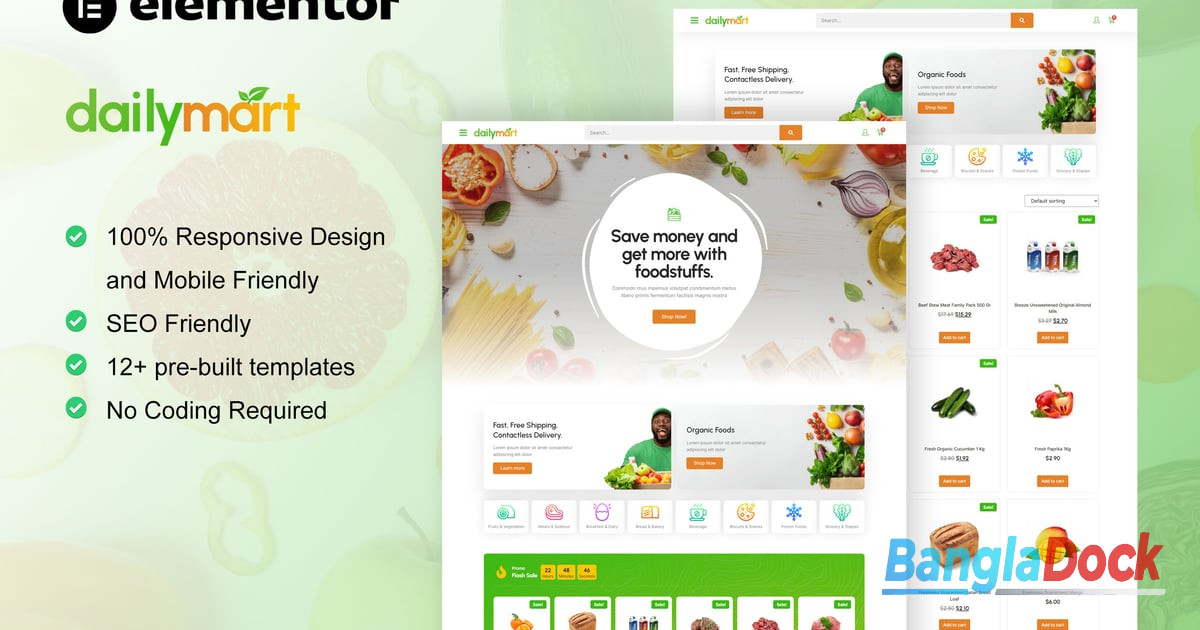
This is especially important for design-heavy products such as DailyMart – Grocery Store Elementor Template Kit, where bundled assets, templates, and import packages should match the expected product structure rather than containing odd extra files.
5. Check whether the site distinguishes GPL code from premium services
A professional GPL provider should explain a common limitation: GPL redistribution usually covers the distributed code, not every hosted service attached to that product. That means cloud template libraries, proprietary APIs, remote AI features, or license-validated update services may still require the original developer relationship.
If a site promises “everything works exactly like buying from the original author” without qualification, that is not a trust signal. It suggests the operator either does not understand the product or is overselling the offer.
Real-world use cases for checking a GPL source
Agency workflow for client builds
An agency may use GPL sources to evaluate tools before standardizing a stack. In that case, trust checks protect both development speed and client liability. A corrupted plugin can affect several websites at once if your internal template site is compromised.
WooCommerce store maintenance
Ecommerce sites often depend on extensions for coupons, shipping, checkout logic, and reporting. A store owner testing a new extension should confirm version freshness, changelog accuracy, and compatibility with the current WooCommerce release before rollout.
Page builder and template evaluation
Designers comparing builders or template ecosystems frequently use GPL downloads to test workflows. If you are deciding between major page builder ecosystems, Divi vs Elementor Pro 2026: Which WordPress Page Builder Is Best for Your Website? is a useful follow-up resource once you have confirmed your download source is legitimate and safe.
Common mistakes to avoid
- Confusing GPL legality with product authenticity: legal redistribution does not guarantee clean files or full vendor features.
- Installing on a live website first: always use staging, especially for stores and membership sites.
- Ignoring missing documentation: absent setup notes and changelogs often point to a low-effort distributor.
- Trusting “nulled” labels: nulled products are a security risk and should not be treated as normal GPL downloads.
- Assuming support is included: many GPL stores provide the file only, not original developer support.
- Skipping post-install checks: watch for rogue admin users, odd scheduled tasks, and unexpected outbound requests.
Troubleshooting and diagnostic steps after download
If you already downloaded a plugin or theme and you are not sure whether it is safe, work through these steps before using it in production:
- Create an isolated staging environment with debugging enabled
- Install only the downloaded product so new errors are easier to attribute
- Review server logs and WordPress debug logs for fatal errors, external requests, or suspicious warnings
- Check file integrity over time by comparing hashes or archived copies after installation
- Monitor database changes for unexpected options, scheduled events, or new admin-capable accounts
- Test deactivation and removal to confirm the product does not leave suspicious persistence mechanisms behind
If anything looks off, discard the package and source the product again from a more reliable store. For business-critical sites, replacing a questionable download is cheaper than investigating a breach later.
Best practices for choosing a trustworthy GPL download site
- Prefer curated stores over bulk scrape sites with thousands of poorly documented listings
- Review policy pages before product pages so you understand support, updates, and redistribution terms
- Use staging and malware scans every time, even with a source you already know
- Track product versions internally if you manage multiple client websites
- Buy direct from original developers when you need premium support or SaaS-linked features
- Use reputable GPL-focused providers when your priority is clean file access and practical testing
Final decision framework
When you evaluate a GPL download site in 2025, ask four direct questions: Is the licensing explanation accurate? Is the operator transparent? Are the files current and clean? Are the product limitations explained honestly? If the answer to any of those questions is no, move on.
The safest approach is to use a source that treats GPL redistribution like a professional software business rather than a traffic game. That means clear policies, secure delivery, tested files, realistic claims, and a catalog that makes sense for real WordPress work. For developers, agencies, and site owners who want that balance, BanglaDock is a sensible place to look for clean, secure premium GPL WordPress themes and plugins.
GPL can be lawful, practical, and cost-effective. Trust comes from the details: licensing clarity, technical hygiene, and operational transparency. Check those carefully, and you can make better decisions without exposing your site to unnecessary risk.
Frequently Asked Questions
Is it legal to download WordPress plugins and themes from a GPL site?
It can be legal when the product is genuinely distributed under the GNU GPL and the site complies with the license terms. The key issue is not whether redistribution exists, but whether the software is actually GPL-covered, described honestly, and delivered without misleading claims about support, updates, or ownership. You should still verify the source carefully before installing anything.
How can I tell whether a GPL download site is safe?
Check the site’s legal pages, contact details, update history, and product descriptions first. Then inspect the downloaded files in a staging environment, scan for malware, compare version numbers with official changelogs, and watch for suspicious code or unexpected admin behavior after installation. A trustworthy source should be transparent about what is included and what is not.
What is the difference between a GPL download and a nulled WordPress plugin?
A GPL download refers to software redistributed under the terms of the GPL, which can be lawful when handled correctly. A nulled plugin is typically a modified copy that may have license checks removed, code altered, or malicious payloads inserted. Nulled products are high risk and should not be treated as normal GPL distributions.