

GPL licenses explained for beginners in 2025
The GNU General Public License, usually shortened to GPL, is one of the most recognized open source licenses in software. If you build websites, customize WordPress, distribute plugins, or modify code for clients, understanding GPL licenses is not optional. It shapes what you can copy, change, redistribute, and even bundle with commercial products.
This beginner-friendly guide explains GPL licenses in plain language without watering down the legal and technical reality. You will learn what the GPL is, how copyleft works, what your obligations look like in practice, and why GPL matters so much in the WordPress ecosystem.
If you work with WordPress products regularly, you have likely seen businesses distribute themes and plugins under GPL terms. Platforms such as BanglaDock focus on clean, secure premium GPL WordPress themes and plugins, which makes license awareness especially relevant for developers, agencies, and store owners who want to use open source software responsibly.
What is the GPL license?
The GPL is a free software license created by the Free Software Foundation. Its core purpose is simple: users should be free to run, study, modify, and share software. Unlike permissive licenses that allow broader relicensing flexibility, the GPL uses a copyleft model. That means when you distribute GPL-licensed software or derivative work, you must preserve the same freedoms for downstream users.
In practical terms, a GPL license usually allows you to:
- Use the software for personal, business, or client projects
- Access and modify the source code
- Redistribute the original software
- Redistribute your modified version under the same GPL terms
Those freedoms come with conditions. If you distribute GPL software, you generally need to keep the license intact, provide copyright notices where required, and make source code available in a compliant way when distribution rules apply.
Why GPL matters so much in WordPress
GPL is especially important because WordPress itself is licensed under GPL. That affects how themes and plugins interact with the platform. In the WordPress world, GPL is not just a legal detail; it is part of the ecosystem’s operating model.
That is why many commercial WordPress products are sold under GPL terms. You may pay for access, support, updates, packaging quality, security screening, or convenience, but the underlying software freedoms still matter. For example, a store owner might use a GPL-licensed form solution such as WPForms Pro Bundle + All Addons for advanced lead capture, while an ecommerce team may deploy the WooCommerce Customer Order Coupons CSV Import Suite to handle coupon workflows in a WooCommerce environment. In both cases, the practical value includes the software itself plus the service layer around it.
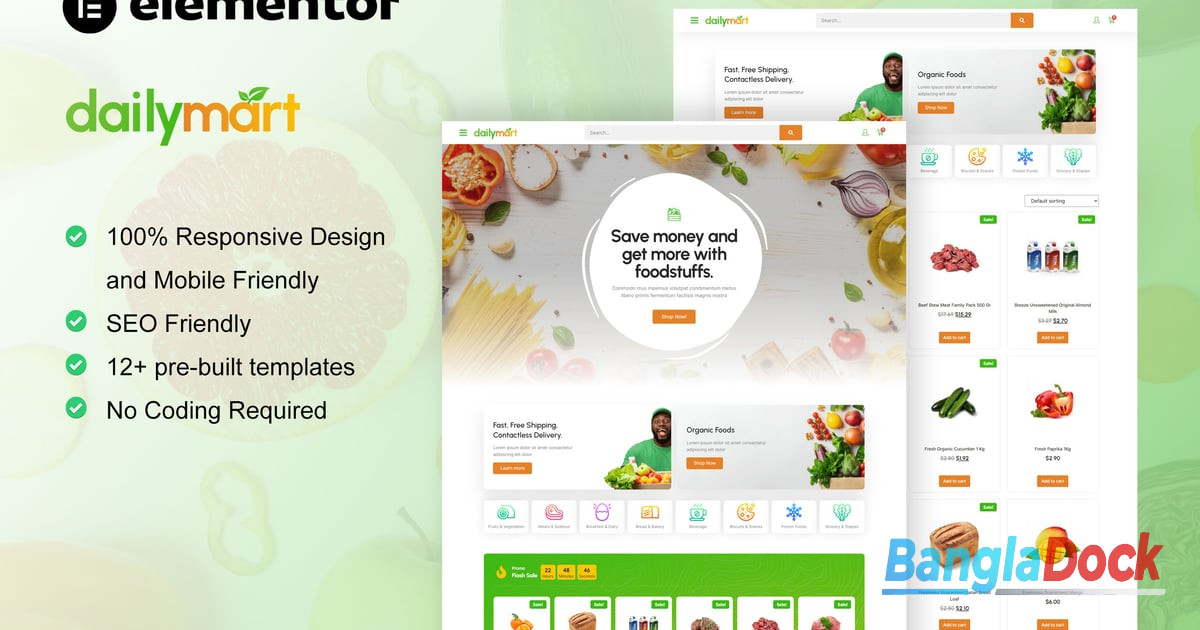
Design-focused users see the same pattern. A site builder launching an online grocery storefront may choose DailyMart – Grocery Store Elementor Template Kit as part of a GPL-friendly workflow that supports customization and redistribution rights consistent with WordPress norms.
How copyleft works in plain English
The key idea behind GPL rules
Copyleft means you cannot take GPL-licensed code, improve it, distribute the improved version, and then lock others out of those same freedoms. If you distribute the modified software, recipients must get the same rights you received.
This is the feature that makes GPL different from licenses such as MIT or Apache in many scenarios. If you want a side-by-side comparison, see GPL vs MIT, Apache, and Other Open Source Licenses: Key Differences Explained (2025).
Distribution triggers obligations
One concept confuses beginners more than anything else: using software privately is different from distributing software. If you modify GPL code for internal use and never distribute it, your obligations are usually narrower. Once you share that software with customers, users, or the public, GPL distribution terms become relevant.
Illustrative scenario: if an agency modifies a GPL WordPress plugin for its own internal staging system, that is different from packaging the modified plugin and delivering it to multiple paying clients. The second case raises distribution compliance questions that the first case may not.
Common GPL versions you should know
You will usually encounter three labels:
- GPLv2 — still very common, including in WordPress contexts
- GPLv3 — includes additional protections around patents and anti-tivoization concerns
- GPLv2 or later — allows use under GPLv2 or any later version published by the Free Software Foundation
The version matters because obligations and compatibility can differ. Before combining codebases, always check the exact license wording in the project repository, plugin header, distribution package, or official documentation.
What you are allowed to do with GPL software
Beginners often assume GPL means “free of cost only” or “you cannot sell it.” Neither is correct. GPL software can be sold. What the GPL protects is user freedom, not a zero-price business model.
- You can use GPL software in commercial projects
- You can charge for setup, customization, support, hosting, audits, or curated distribution
- You can modify code to fit client requirements
- You can redistribute the software if you follow the license terms
This is why premium GPL WordPress businesses exist. Customers may pay for trust, malware screening, product access, version management, documentation, update workflows, and support rather than for exclusive control over the code itself.
What your GPL obligations usually include
Keep license notices intact
If the software includes copyright and license notices, do not remove them when distributing the package unless the license explicitly allows a specific treatment.
Provide source code when required
If you distribute object code or bundled software in a way covered by GPL obligations, recipients generally need access to the corresponding source code. In many web product contexts, that source is already present because PHP, JavaScript, CSS, and template files are distributed directly.
License derivative distributions under GPL
If your work is a derivative of GPL software and you distribute it, the copyleft requirement may apply. This is the area where legal interpretation can become nuanced, especially with mixed architectures and external services.
Do not add extra restrictions
You cannot take GPL code and impose tighter downstream limits that block the rights granted by the license.
Real-world technical use cases
Agency development for WordPress clients
An agency can install a GPL plugin, customize it for a client, and deliver the finished site. The agency should keep track of the original license, preserve relevant notices, and document what was modified for support and compliance purposes.
SaaS-adjacent WordPress tooling
If your plugin connects to an external API, the plugin code itself may be GPL while the hosted service operates under separate commercial terms. This is common in analytics, automation, and CRM integrations. The plugin distribution still needs its own license review.
Theme and template customization
A designer using a GPL-compatible template kit can heavily customize layouts, typography, and components for a niche store launch. For ongoing maintenance, staying current with patches matters as much as the license. Teams managing production sites should also review update hygiene resources such as WordPress Updates: Your to reduce avoidable security and compatibility issues.
Common mistakes to avoid with GPL licenses
- Assuming “paid” and “GPL” conflict with each other
- Ignoring the exact license version attached to a project
- Removing copyright or license headers during repackaging
- Redistributing modified code without preserving GPL terms
- Mixing incompatible licenses without a legal review
- Treating marketplace terms of service as if they replace the software license
One of the biggest operational mistakes is poor recordkeeping. If your team cannot identify where a plugin came from, which version was modified, or what license applied at the time of release, compliance becomes difficult very quickly.
Best practices for GPL compliance in 2025
- Maintain a software inventory with product names, versions, authors, and license files
- Store original packages and changelogs before making client-specific modifications
- Review plugin and theme updates in staging before production deployment
- Document whether a product is unmodified, customized, or bundled in a distribution package
- Check compatibility when combining GPL code with third-party libraries or assets
- Train developers and project managers on redistribution triggers and notice requirements
These practices are not just for large companies. Even a freelancer benefits from a simple checklist and source archive. When a client asks six months later where a file came from or whether redistribution is permitted, you need a reliable answer.
Troubleshooting GPL questions and compliance issues
Step 1: Find the actual license text
Start with the plugin directory, repository root, bundled ZIP package, or vendor documentation. Look for files such as LICENSE, COPYING, or metadata headers.
Step 2: Identify whether you are using or distributing
Private internal use and public redistribution are not the same. Write down who receives the software, in what form, and whether modifications are included.
Step 3: Check for bundled dependencies
Your main product may be GPL, but images, fonts, JavaScript libraries, and API SDKs can carry separate licenses. This is a common source of confusion in commercial WordPress builds.
Step 4: Preserve notices and source availability
If you are redistributing, confirm that license notices remain intact and the source is included or otherwise provided in a compliant way.
Step 5: Escalate unclear derivative-work questions
Some edge cases need legal review, especially where proprietary systems interact closely with GPL code. A developer can flag the issue, but should not guess when distribution models are complex.
GPL myths that still confuse beginners
“GPL means I cannot sell software”
False. You can sell GPL software. What you cannot do is remove the freedoms the license grants to recipients.
“If I downloaded a GPL plugin, nobody else can redistribute it”
False. Redistribution is one of the rights GPL allows, subject to compliance with its terms.
“GPL and security are unrelated”
Not exactly. A license does not make software secure on its own, but open access to source code can support review, auditing, and community maintenance. Security still depends on coding quality, update discipline, and trustworthy distribution sources.
Why this matters for developers, agencies, and site owners
GPL literacy helps you avoid legal friction, choose reliable vendors, and build better maintenance workflows. For developers, it informs architecture and distribution decisions. For agencies, it affects client handoff and support terms. For site owners, it clarifies why premium GPL products can still be legitimate commercial purchases.
In 2025, the practical question is rarely “Is GPL still relevant?” The real question is whether your team understands how open source rules affect updates, customization, redistribution, and long-term product governance. If you work in WordPress, the answer should be yes.
A strong GPL process combines technical discipline with clear documentation: know the license, track the source, preserve notices, and distribute responsibly. That approach keeps your projects both flexible and compliant.
Frequently Asked Questions
Can I legally sell GPL-licensed WordPress themes and plugins?
Yes. GPL licenses allow commercial sale of software. You can charge for access, packaging, support, updates, customization, or managed delivery. What you cannot do is remove the rights the GPL gives recipients, such as the ability to study, modify, and redistribute the software under the license terms.
Do I have to share my changes if I modify GPL software for my own private use?
Usually, private internal use does not trigger the same distribution obligations as sharing software with others. If you modify GPL code and keep it strictly internal, you generally do not need to publish those changes. If you distribute the modified software to clients, users, or the public, GPL requirements become much more relevant.
What is the biggest GPL compliance mistake beginners make?
The most common mistake is treating GPL as a simple “free download” label instead of a real software license with conditions. Beginners often forget to check the exact license version, remove notices during customization, or redistribute modified code without preserving GPL terms. Good recordkeeping and license review prevent most of these issues.