
Unlock WordPress Power: The Ultimate Guide to Updates and Site Maintenance
Maintaining a WordPress website goes far beyond initial setup and content creation. For any site owner, developer, or digital marketer, understanding how to effectively update WordPress plugins, manage theme updates WordPress, and conduct regular site maintenance SEO is paramount. Neglecting these critical tasks can lead to security vulnerabilities, performance degradation, and even significant SEO penalties. This comprehensive guide will equip you with the knowledge and best practices to keep your WordPress site running smoothly, securely, and at its peak.
Think of your WordPress site as a finely tuned machine. Just like any machine, its components – the core software, plugins, and themes – require regular attention to function optimally. Updates aren't just about new features; they're about patching security holes, improving performance, ensuring compatibility, and keeping your site relevant in an ever-evolving digital landscape.
Why Regular WordPress Updates Are Non-Negotiable
The reasons to consistently update your WordPress environment are compelling and directly impact your site's health and success.
Fortified Security with Every WordPress Security Patch
WordPress is the most popular CMS globally, making it a frequent target for malicious actors. Developers constantly release updates, often containing vital WordPress security patch fixes that address newly discovered vulnerabilities. Running outdated software leaves your site exposed to hacking attempts, malware injections, and data breaches. A single security incident can devastate your reputation, compromise user data, and be incredibly costly to recover from.
Enhanced Performance and Speed
Updates frequently include performance optimizations. Developers work to streamline code, improve database queries, and reduce resource consumption. Keeping your plugins and themes current means your site benefits from these enhancements, leading to faster load times. A quicker website improves user experience, reduces bounce rates, and is a significant factor in search engine rankings.
Ensuring Compatibility and Preventing Conflicts
As WordPress core evolves, so do the requirements for plugins and themes. Outdated components might become incompatible with newer WordPress versions, PHP versions, or even other updated plugins. This incompatibility can lead to broken functionality, visual glitches, or the dreaded White Screen of Death (WSOD). Regular updates ensure all parts of your WordPress ecosystem work harmoniously.
Access to New Features and Essential Bug Fixes
Beyond security and performance, updates often introduce exciting new features that can enhance your site's functionality or user experience. They also fix existing bugs that might be causing minor annoyances or significant issues. Staying current ensures you can leverage the latest capabilities and avoid known software defects.
How to Seamlessly Update WordPress Plugins and Themes
The process of updating is generally straightforward, but it requires a methodical approach to minimize risks.
The Golden Rule: Always Backup Your Site First
Before initiating any update, big or small, create a complete backup of your WordPress site. This includes your database and all files. If something goes wrong during the update, you can quickly restore your site to its previous working state. Many hosting providers offer backup solutions, or you can use a dedicated backup plugin. This step is non-negotiable.
Updating via the WordPress Dashboard
This is the simplest and most common method for both update WordPress plugins and managing theme updates WordPress.
- Plugins: Navigate to
Dashboard > Plugins > Installed Plugins. You'll see a notification for any plugins needing an update. Click "Update Now" below each plugin. - Themes: Go to
Dashboard > Appearance > Themes. Similar to plugins, themes with available updates will show a notification. Click "Update Now." - WordPress Core: For core updates, a prominent banner will appear at the top of your admin screen. Click "Please Update Now."
Always update one component at a time, especially if you have many pending updates. This helps isolate issues if they arise.
Manual Updates via FTP
Sometimes, an automatic update might fail, or you might need to update a premium plugin or theme that doesn't offer dashboard updates directly. This requires manual intervention via FTP (File Transfer Protocol).
- Download the latest version: Obtain the updated plugin or theme zip file from its source (developer's website, BanglaDock for GPL resources, etc.).
- Deactivate (for plugins): If updating a plugin, deactivate it in your WordPress dashboard.
- Connect via FTP: Use an FTP client (like FileZilla) to connect to your server.
- Navigate to the correct directory:
- For plugins:
wp-content/plugins/ - For themes:
wp-content/themes/
- For plugins:
- Delete the old version: Delete the folder of the plugin or theme you are updating. Be careful not to delete the entire plugins or themes folder!
- Upload the new version: Unzip the downloaded file on your computer, then upload the new plugin/theme folder to the appropriate directory on your server.
- Activate (for plugins): Re-activate the plugin from your WordPress dashboard.
Considering Automatic Updates
WordPress offers options for automatic updates for core, plugins, and themes. While convenient, some developers prefer manual control, especially for complex sites. You can enable or disable these settings in your wp-config.php file or using a plugin designed for update management. For mission-critical sites, a controlled manual update process on a staging environment is often preferred.
Beyond Updates: Comprehensive Site Maintenance SEO
Updating plugins and themes is a crucial part of site maintenance SEO, but it's not the only aspect. A holistic maintenance strategy ensures your site remains fast, secure, and search-engine friendly.
- Database Optimization: Over time, your WordPress database can accumulate junk data (revisions, spam comments, transients). Optimize it regularly using a plugin or via phpMyAdmin to improve performance.
- Broken Link Checks: Broken links create a poor user experience and can negatively impact SEO. Regularly scan your site for broken links and fix them.
- Image Optimization: Large, unoptimized images slow down your site. Compress images and use appropriate formats to boost load times.
- Regular Content Audits: Review your content for accuracy, relevance, and freshness. Update old posts, remove outdated information, and ensure your internal linking structure is sound.
- Security Scans: Beyond updates, run regular security scans to detect malware, vulnerabilities, or unauthorized file changes.
- Caching Management: Implement a robust caching strategy to serve content faster to your visitors. Clear your cache after every significant update or content change.
Troubleshooting Common WordPress Update Issues
Even with best practices, issues can arise. Here's how to diagnose and resolve common update problems:
- White Screen of Death (WSOD): This usually indicates a fatal PHP error.
- Diagnosis: Check your server error logs.
- Solution: If it happened after a plugin/theme update, try deactivating the problematic plugin/theme via FTP by renaming its folder in
wp-content/plugins/orwp-content/themes/. Once you regain access, you can investigate further or restore from backup.
- Plugin/Theme Conflicts: One updated component clashes with another.
- Diagnosis: Deactivate all plugins and switch to a default WordPress theme (like Twenty Twenty-Four). Re-activate them one by one, checking your site after each activation, to identify the culprit.
- Solution: Once identified, seek support from the plugin/theme developer, look for alternative solutions, or consider rolling back the update.
- Update Failed/Stuck in Maintenance Mode:
- Diagnosis: WordPress creates a
.maintenancefile in your root directory during updates. If an update fails, this file might not be removed. - Solution: Connect via FTP and delete the
.maintenancefile from your WordPress root directory. Your site should then be accessible, allowing you to try the update again or restore from backup.
- Diagnosis: WordPress creates a
- Visual Glitches or Broken Layout: Often a CSS or JavaScript conflict.
- Diagnosis: Clear your website and browser cache. Check the browser's developer console for JavaScript errors.
- Solution: Test for plugin/theme conflicts as described above. If the issue persists, contact the theme or plugin developer.
Common Mistakes to Avoid During WordPress Updates
Preventing problems is always better than fixing them. Avoid these common pitfalls:
- Skipping Backups: As mentioned, this is the biggest mistake. Never update without a recent, verified backup.
- Updating Everything Simultaneously: If you have 20 plugins and 2 themes awaiting updates, updating them all at once makes troubleshooting impossible if an issue arises. Update them individually, or in small, logical groups.
- Ignoring Update Warnings: Sometimes, a plugin or theme might warn about compatibility issues with your current WordPress version. Heed these warnings and investigate before proceeding.
- Using Untrusted Sources: Always download plugins and themes from reputable sources. Using nulled or pirated software is a massive security risk. For those seeking premium GPL WordPress themes and plugins, it's vital to know How to Check Whether a GPL Download Site Is Trustworthy and Legal in 2025 to ensure you're getting legitimate and clean files.
- Not Understanding the GPL License: Familiarize yourself with How the WordPress GPL License Works in 2025 and Why Every Site Owner Should Care to make informed decisions about your software choices.
Best Practices for Seamless WordPress Updates and Maintenance
Adopt these strategies for a robust and efficient update workflow:
- Implement a Staging Environment: For critical websites, always test updates on a staging site (a clone of your live site) first. This allows you to catch issues without impacting your live audience.
- Schedule Regular Maintenance: Set aside dedicated time weekly or monthly for updates and other maintenance tasks. Consistency is key.
- Choose Reputable Plugins and Themes: Opt for well-coded, regularly updated plugins and themes from trusted developers. Sources like BanglaDock provide a curated selection of premium GPL WordPress themes and plugins, ensuring you have access to quality resources.
- Prioritize Core and Security Updates: Address major WordPress core updates and security patches immediately.
- Monitor Your Site: Use uptime monitoring tools and regularly check your site's functionality and error logs.
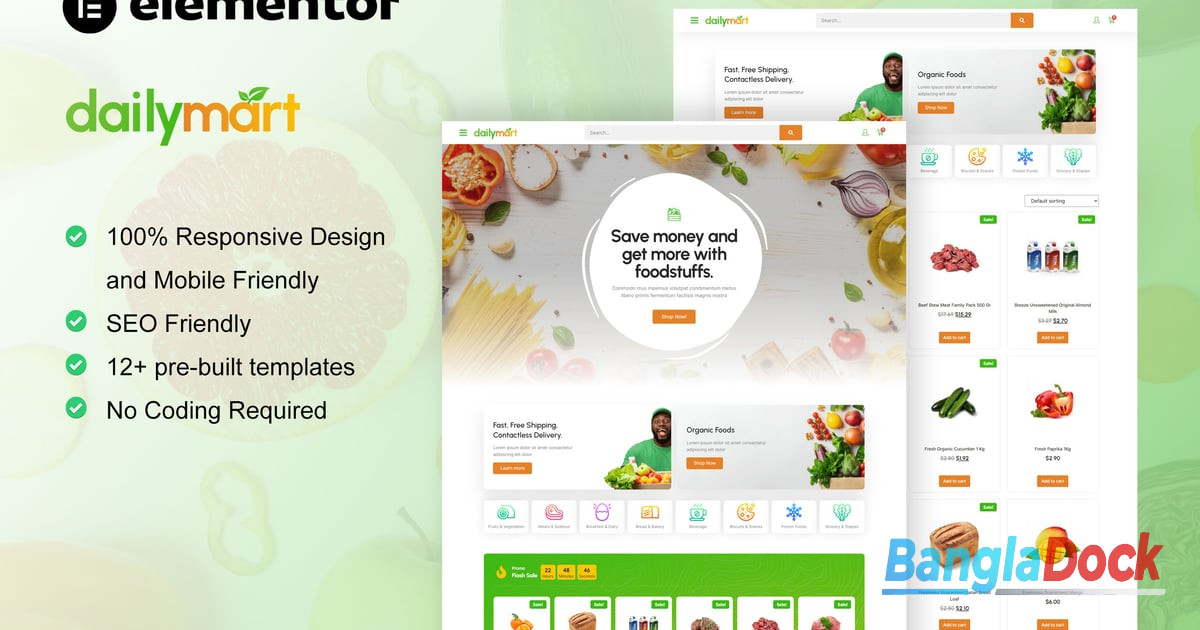
- Leverage Quality Tools: For e-commerce sites, tools like the WooCommerce Customer Order Coupons CSV Import Suite can significantly streamline operations, and keeping such powerful tools updated is vital. For form management, ensure your WPForms Pro Bundle + All Addons is always current to leverage the latest features and security. If you're using specific templates, updating your DailyMart – Grocery Store Elementor Template Kit ensures design consistency and access to new Elementor features.
By making regular updates and comprehensive maintenance a priority, you're not just preventing problems; you're actively investing in your website's longevity, security, performance, and ultimately, its success.
Frequently Asked Questions
Why is it so important to update WordPress plugins and themes regularly?
Regularly updating WordPress plugins and themes is crucial for several reasons: it enhances your site's security by patching vulnerabilities (WordPress security patch), improves performance through optimizations, ensures compatibility with the latest WordPress core and PHP versions, and grants access to new features and bug fixes. Neglecting updates leaves your site vulnerable to attacks and can lead to broken functionality or slow loading times, negatively impacting user experience and SEO.
What should I do before initiating any WordPress update?
The single most important step before any WordPress update, whether it's a plugin, theme, or core, is to create a complete backup of your entire website. This includes both your WordPress files and your database. Having a recent backup ensures that if any issues arise during or after the update, you can quickly restore your site to its previous working state, minimizing downtime and data loss.
My WordPress site broke after an update. What are the first troubleshooting steps?
If your WordPress site breaks after an update (e.g., White Screen of Death, broken layout), first clear your website and browser cache. If the issue persists, try deactivating all plugins and switching to a default WordPress theme (like Twenty Twenty-Four). If the site recovers, reactivate your plugins one by one, checking the site after each, to identify the conflicting component. If you suspect a core update issue or are stuck in maintenance mode, connect via FTP and delete the `.maintenance` file from your WordPress root directory. Always consult your server error logs for more specific diagnostics.