

Understanding GPL Licenses: A Complete Guide for Beginners
If you use WordPress, install plugins, customize themes, or buy digital products from third-party marketplaces, you will keep running into one term: GPL license. For beginners, it can sound technical or even intimidating. In practice, the GNU General Public License is a straightforward legal framework that protects software freedom while setting clear rules for copying, modifying, and redistributing code.
This guide explains what GPL licenses are, how they work in the WordPress ecosystem, what rights you receive, and what responsibilities come with them. It also covers practical use cases, common mistakes, troubleshooting steps, and best practices so you can work with GPL software confidently.
If you are sourcing WordPress products, platforms such as BanglaDock focus on clean, secure premium GPL WordPress themes and plugins, which makes licensing easier to understand in real-world projects.
What Is a GPL License?
The GPL, short for GNU General Public License, is one of the best-known open-source software licenses. It was created by the Free Software Foundation to ensure that users have the freedom to run, study, modify, and share software.
At its core, the GPL grants four practical freedoms:
- Use the software for personal, client, educational, or commercial purposes.
- Study how it works by accessing the source code.
- Modify the software to fit your own needs.
- Redistribute original or modified copies under the same GPL terms.
This last point is what makes GPL distinctive. If you distribute GPL-licensed software or a derivative version of it, you cannot convert it into a closed product with stricter licensing terms. That “share alike” requirement is often called copyleft.
Why GPL Matters in WordPress
WordPress itself is licensed under the GPL. That has a direct impact on themes and plugins because they interact closely with WordPress core. In the WordPress community, GPL is not just a legal checkbox; it shapes how products are built, sold, and shared.
That is why many premium WordPress themes and plugins are sold under GPL terms. You may pay for access, updates, support, convenience, or bundled services, but the underlying code still carries GPL freedoms.
For beginners, this is often the first surprise: paying for GPL software does not mean you are buying exclusive ownership of the code. You are usually paying for distribution, packaging, support, documentation, or fast access to trusted downloads.
How GPL Licenses Work in Practice
Your Rights as a User
When you obtain a GPL-licensed plugin or theme, you are generally allowed to install it on your site, inspect the code, customize it, and share it in line with the license. This is one reason GPL products are popular with developers, agencies, and technical site owners who want long-term control.
Your Responsibilities When Redistributing
If you redistribute GPL software, the license terms still apply. That means the recipients should receive the same freedoms you received. If you distribute a modified version, the GPL expects that version to remain under GPL as well.
For website owners, redistribution is usually less relevant than use and customization. For developers who package client solutions or resell WordPress tools, it matters a lot more.
Code vs Non-Code Assets
One area that causes confusion is whether every part of a digital product is covered in the same way. In WordPress products, PHP code is typically the center of the GPL discussion. Images, fonts, videos, and design assets may have separate licensing terms depending on how the seller packages them.
That means you should always read the product documentation carefully, especially if you plan to reuse bundled media in another commercial project.
Common GPL Versions You May See
Most beginners only need a simple overview of GPL versions:
- GPLv2: A widely used version and historically common in WordPress-related software.
- GPLv3: A newer version with additional provisions around patents, anti-tivoization, and compatibility concerns.
- “GPLv2 or later”: This means the software can be used under GPLv2 or any later version published by the Free Software Foundation.
In WordPress, you will often see products referencing GPLv2 or later because that aligns with WordPress core licensing expectations.
Real-World Use Cases for GPL Software
Freelancers Building Client Sites
A freelancer can install a GPL theme, customize it for a client, and extend it with custom plugin code. This is one of the most common WordPress workflows because it speeds up development without locking the project into proprietary code.
Agencies Managing Multiple Websites
Agencies often prefer GPL tools because they can audit the code, maintain long-term compatibility, and avoid dependency on a vendor’s closed licensing model. For lead generation, a tool such as WPForms Pro Bundle + All Addons for advanced GPL WordPress forms can fit naturally into a reusable agency toolkit.
Niche Store Owners Launching Fast
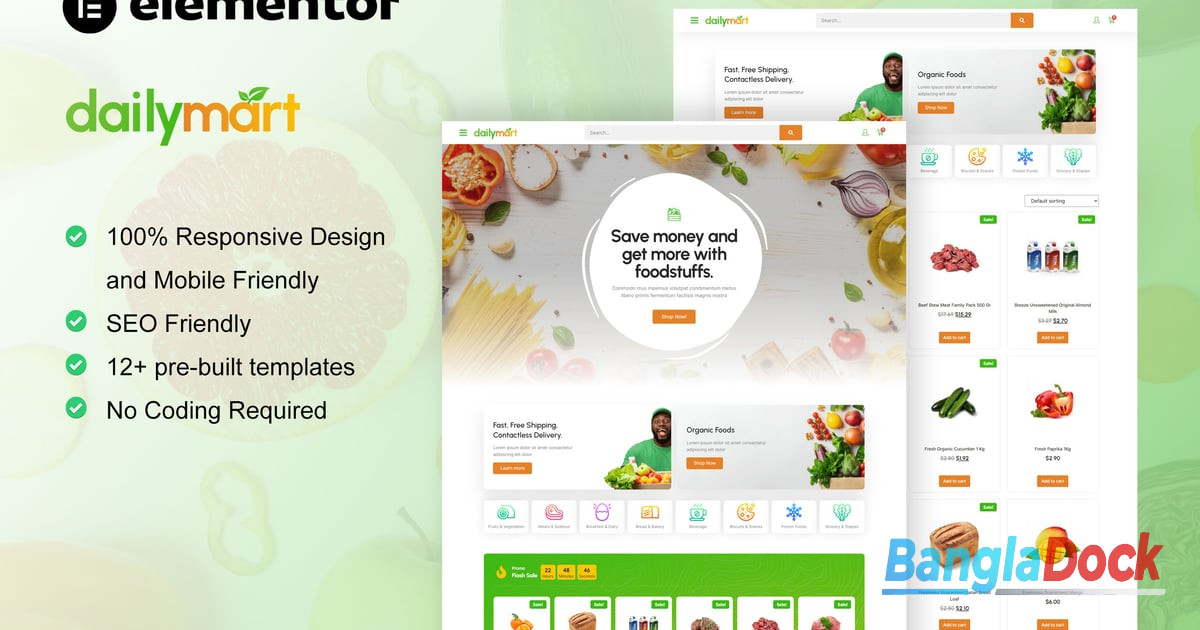
If you are launching an online grocery or local delivery site, a ready-made GPL design kit can reduce setup time. An example is DailyMart – Grocery Store Elementor Template Kit for GPL-based WooCommerce design workflows, which illustrates how GPL products can support rapid deployment when paired with Elementor and WooCommerce.
Businesses Needing Document Signing
GPL licensing also appears in specialized business plugins. If a company needs agreements or approvals handled inside WordPress, WP E-Signature – Bundle with all addons for GPL-powered contract workflows is an example of a product category where licensing clarity matters alongside functionality.
Benefits of GPL Licenses for Beginners
- Flexibility: You can modify the code instead of waiting for a vendor to offer a feature.
- Transparency: Source code access makes it easier to inspect functionality and security practices.
- Long-term control: You are not locked into a closed ecosystem simply because your site depends on a plugin.
- Developer-friendly workflows: GPL supports staging, testing, forking, and custom deployment.
- Community compatibility: In WordPress, GPL aligns with the platform’s open-source culture.
Common Misunderstandings About GPL
“GPL Means Free of Cost”
Not necessarily. GPL refers to software freedom, not a zero price. Sellers can charge for downloads, updates, support, curation, or managed delivery.
“GPL Means No Rules”
GPL is permissive about use, but it still imposes conditions around redistribution and derivative works.
“If I Buy It Once, I Own the Brand”
You may have rights to the code, but you do not automatically gain trademark rights, support entitlements, or rights to every bundled asset.
“All Open-Source Licenses Work the Same Way”
They do not. GPL differs from permissive licenses such as MIT or Apache. If you want a side-by-side overview, see this open-source license comparison chart covering GPL vs MIT, Apache, and more.
Common Mistakes to Avoid
- Ignoring asset licensing: Check whether images, fonts, or demo content have separate terms.
- Confusing support with licensing: GPL rights do not guarantee lifetime support from the seller.
- Downloading from untrusted sources: GPL does not make a file safe; source reputation still matters.
- Assuming every modification is low-risk: Editing plugin code directly can break updates and create maintenance problems.
- Skipping changelog and version checks: License freedom does not replace compatibility testing.
Troubleshooting GPL-Related Questions
Problem: You Are Unsure Whether a Product Is Truly GPL
Check the seller’s product page, documentation, and included license files. Look for explicit references to GNU GPL, GPLv2, GPLv3, or “GPLv2 or later.” If the description is vague, ask the vendor before purchase.
Problem: A Plugin Is GPL, but Support Is Missing
This is a service issue, not usually a license issue. GPL gives you rights to the software, but support is a separate commercial offering. When buying from a marketplace, verify update policies, documentation quality, and support terms.
Problem: You Downloaded a GPL Product but It Looks Unsafe
Treat this as a security concern first. Scan the files, inspect the code if possible, and compare checksums or package contents against a trusted source. Avoid using “nulled” distributions masquerading as GPL products.
Problem: You Modified Code and Future Updates Overwrite It
This is a development workflow issue. Use child themes for theme changes, custom plugins for extensions, and version control for ongoing maintenance. Do not patch vendor files directly unless you are prepared to reapply changes after every update.
Best Practices for Working With GPL Themes and Plugins
- Buy or download from reputable sources that clearly state license terms and update practices.
- Keep documentation with the package, including license files, changelogs, and invoices.
- Use staging environments before applying updates or customizations on live sites.
- Separate custom code from vendor code so updates remain manageable.
- Review bundled assets carefully before reusing them in client or commercial work.
- Track versions in Git or another system if you maintain modified GPL products over time.
How GPL Fits Into Smart WordPress Buying Decisions
GPL licensing becomes easier to understand when you evaluate products on three layers: code freedom, vendor trust, and ongoing maintenance. A product can be legally GPL and still be a poor choice if updates are unreliable or files are distributed carelessly. On the other hand, a well-maintained GPL product from a reputable seller can be an efficient, professional solution.
If you are also planning conversion-focused WordPress projects, this guide to building a high-converting WordPress landing page with Astra Pro is a useful next read because it shows how premium GPL tools fit into broader site-building strategy.
When Beginners Should Care Most About GPL
You do not need to become a licensing lawyer to use WordPress well. Still, GPL matters when you are:
- buying premium themes or plugins from third-party stores,
- building sites for clients,
- customizing plugin or theme code,
- redistributing WordPress products, or
- comparing open-source business models.
Once you understand these basics, GPL stops feeling abstract. It becomes a practical framework that gives you more control over your site, your codebase, and your long-term development options.
Final Takeaway
Understanding GPL licenses starts with one simple idea: you are getting software freedoms, not unrestricted ownership of everything packaged with the product. For WordPress users, that means you can often use, inspect, modify, and redistribute code under GPL terms, while still needing to check support conditions, asset rights, and source trustworthiness.
For beginners, the safest path is to choose reputable GPL vendors, document what you install, test updates carefully, and keep customizations separate from core product files. That approach gives you the practical advantages of open-source WordPress without unnecessary confusion.
Frequently Asked Questions
Can I legally use a GPL WordPress plugin on multiple websites?
In many cases, yes. GPL licensing generally allows you to use the software on as many sites as you want because the license focuses on software freedom rather than per-site restrictions. Still, you should check the seller’s terms for support access, update delivery, and account limits, since those services may be commercially restricted even when the code is GPL.
Does GPL mean I can resell WordPress themes and plugins?
GPL usually allows redistribution and resale of the licensed code, including modified versions, as long as you comply with the GPL terms and preserve the same freedoms for recipients. What you cannot assume is that trademarks, branding, support, or non-code assets are included under identical terms. Always review the full product packaging before redistributing it.
How can I tell whether a GPL download source is trustworthy?
Start by checking whether the site clearly states the exact license, product version, update history, and support policy. Reputable sources usually provide transparent documentation and avoid vague claims. You should also inspect the files, scan for malware, compare package contents where possible, and avoid suspicious “nulled” downloads that often misuse the term GPL to market unsafe software.