

Mastering the Art of Debugging WordPress Errors
WordPress powers a significant portion of the web, offering unparalleled flexibility and ease of use. However, even the most robust platforms encounter issues. For anyone maintaining a WordPress site, the ability to effectively debug WordPress errors is not just a useful skill—it's essential. Encountering a dreaded "white screen of death" or a "critical error" message can be intimidating, but with the right knowledge and a systematic approach, you can diagnose and resolve these problems like a professional web developer.
This guide will equip you with the tools, techniques, and mindset needed to approach WordPress troubleshooting with confidence. We'll dive deep into common error scenarios, provide actionable diagnostic steps, and share best practices to keep your site running smoothly.
Understanding the WordPress Debugging Philosophy
Before we tackle specific errors, it's important to understand the fundamental principles of debugging. Think of it as detective work: you're looking for clues, isolating variables, and systematically eliminating possibilities until you find the root cause. WordPress, being a complex ecosystem of core files, themes, plugins, and a database, presents many potential points of failure.
The key is to:
- Isolate the Problem: Determine if the issue is site-wide or specific to a page/feature.
- Reproduce the Error: Can you consistently trigger the error?
- Gather Information: What error messages are displayed? What changes were made recently?
- Systematically Test: Disable elements one by one to pinpoint the culprit.
Core Debugging Tools and Techniques
Every professional developer relies on a set of standard tools to diagnose issues. For WordPress, these are your primary weapons.
Enable WP_DEBUG: Your First Line of Defense
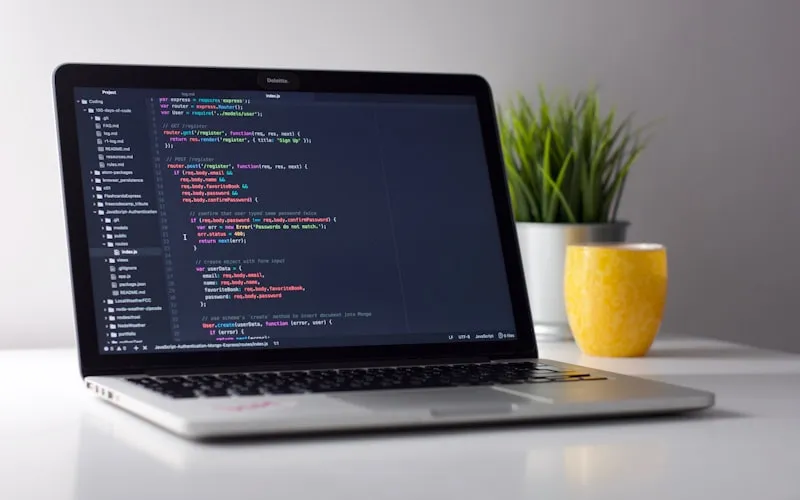
The most crucial step in identifying WordPress errors is to enable WP_DEBUG. This built-in WordPress constant forces the platform to display PHP errors, warnings, and notices. While you should never leave this enabled on a live production site due to security and performance implications, it's invaluable during troubleshooting.
To enable `WP_DEBUG`, you need to edit your `wp-config.php` file, located in the root directory of your WordPress installation. Access this file via FTP/SFTP or your hosting control panel's file manager.
Find the line that says:
define( 'WP_DEBUG', false );And change it to:
define( 'WP_DEBUG', true );
define( 'WP_DEBUG_LOG', true ); // Writes errors to a debug.log file
define( 'WP_DEBUG_DISPLAY', false ); // Prevents errors from showing on the front-end
@ini_set( 'display_errors', 0 ); // Ensures no errors are displayed even if WP_DEBUG_DISPLAY is true
Setting `WP_DEBUG_LOG` to `true` is highly recommended. It saves all errors to a file named `debug.log` within the `wp-content` directory. This is perfect for capturing errors without exposing them to visitors. After enabling these, refresh your site and then check the `debug.log` file for clues.
Interpreting Error Logs
The `debug.log` file (or your server's PHP error logs, often found in `var/log` or a similar directory on Linux servers) is a treasure trove of information. Look for:
- File Path: This tells you exactly which file and line number are causing the error.
- Error Type: Is it a fatal error, a warning, or a notice? Fatal errors stop script execution.
- Error Message: The description of what went wrong.
Often, the error message will point directly to a plugin or theme file, giving you a clear starting point for investigation.
Browser Developer Tools
Your web browser's developer tools (usually accessed by F12 or right-clicking and selecting "Inspect") are indispensable. They can help you:
- Inspect Elements: Identify HTML, CSS, and JavaScript issues.
- Console: Look for JavaScript errors, network request failures, and warnings.
- Network Tab: Check for failed requests, slow loading assets, or 5xx server responses.
Common WordPress Errors and How to Debug Them
Let's address the most frequent and frustrating issues you might encounter.
The WordPress White Screen of Death (WSOD)
The WordPress white screen of death is arguably the most intimidating error. Your site appears as a blank white page, with no error messages. This usually indicates a fatal PHP error, but without `WP_DEBUG` enabled, you're left in the dark.
Diagnostic Steps:
- Enable `WP_DEBUG`: As described above. Check your `debug.log` file.
- Increase PHP Memory Limit: A common cause of WSOD is insufficient memory. Add `define('WP_MEMORY_LIMIT', '256M');` to your `wp-config.php` file (above the `require_once(ABSPATH . 'wp-settings.php');` line).
- Deactivate All Plugins: If `WP_DEBUG` doesn't reveal anything, a plugin is the most likely culprit. Access your site via FTP/SFTP, navigate to `wp-content/plugins`, and rename the `plugins` folder (e.g., to `plugins_old`). This will deactivate all plugins. If your site comes back, rename the folder back to `plugins` and then reactivate plugins one by one through the WordPress admin, checking the site after each activation until the error reappears. The last activated plugin is the problem.
- Switch to a Default Theme: If deactivating plugins doesn't work, your active theme might be the issue. Via FTP, navigate to `wp-content/themes`. Rename your active theme's folder (e.g., `mytheme_old`). WordPress will automatically fall back to a default theme like Twenty Twenty-Four. If your site returns, the issue is with your theme. When choosing themes for your projects, consider options like Grocery Mart – Grocery Vegitables and Organic Elementor WooCommerce Store or Elocart – Multipurpose Electronics Store Elementor WooCommerce Responsive Theme, which are regularly updated and supported to minimize such issues.
- Check File Permissions: Incorrect file permissions can also cause WSOD. Files should generally be 644, and directories 755.
Fix Critical Error WordPress
Since WordPress 5.2, a more user-friendly "There has been a critical error on this website" message often replaces the WSOD. This message also provides an email link to WordPress's "Recovery Mode."
Diagnostic Steps:
- Check Your Email: WordPress sends an email to the site's admin address with details about the error and a special "recovery mode" link. Click this link.
- Use Recovery Mode: Recovery mode allows you to log into your WordPress admin even if the front-end is broken. It temporarily suspends the problematic theme or plugin, letting you troubleshoot directly from the dashboard.
- Review the Error Details: Inside recovery mode, WordPress will usually pinpoint the exact plugin or theme causing the issue. You can then deactivate or update it.
- Refer to `WP_DEBUG_LOG`: If recovery mode doesn't offer enough detail, your `debug.log` file remains the definitive source of information.
Database Connection Errors
The "Error establishing a database connection" message means WordPress can't communicate with its database. This is a severe error, as your entire site relies on the database.
Diagnostic Steps:
- Check `wp-config.php`: Verify your database credentials (`DB_NAME`, `DB_USER`, `DB_PASSWORD`, `DB_HOST`). Even a single typo will break the connection. `DB_HOST` is usually `localhost`, but some hosts use a specific IP address.
- Check Database Server Status: Contact your hosting provider to confirm the database server is running and accessible. Sometimes, the server itself might be down or overloaded.
- Repair Your Database: Add `define('WP_ALLOW_REPAIR', true);` to `wp-config.php`. Then navigate to `yourdomain.com/wp-admin/maint/repair.php`. Remember to remove this line after repairing for security reasons.
Internal Server Error (500 Error)
A generic "500 Internal Server Error" indicates a problem on the server, but it doesn't specify what. It's often caused by a corrupted `.htaccess` file, PHP memory limits, or faulty plugins/themes.
Diagnostic Steps:
- Check `debug.log`: Always the first step after enabling `WP_DEBUG`.
- Increase PHP Memory Limit: As with WSOD, try increasing memory.
- Reset `.htaccess`: Via FTP/SFTP, rename your `.htaccess` file (e.g., to `.htaccess_old`). If the site comes back, log into WordPress admin and go to Settings > Permalinks and save changes without making any edits. This will generate a new, clean `.htaccess` file.
- Deactivate Plugins/Switch Theme: Use the same process as for WSOD.
Syntax Errors
These occur when there's a typo or incorrect code in a PHP file, often resulting in a "Parse error: syntax error, unexpected..." message.
Diagnostic Steps:
- Identify the File and Line Number: The error message itself will tell you exactly where the problem is.
- Review Recent Changes: Did you just edit a theme file, a plugin file, or `functions.php`? Revert the last change or carefully review the specified line for missing semicolons, unmatched brackets, or other common coding mistakes.
- Use a Code Editor: A good code editor with syntax highlighting can help catch these errors before uploading.
Advanced Debugging Strategies
- Use a Staging Environment: Never debug directly on a live site for complex issues. A staging site is a copy of your production site where you can test changes and debug without affecting live users.
- Version Control (Git): For developers, using Git allows you to track all changes and easily revert to a previous working state if a new change breaks something.
- Query Monitor Plugin: This powerful plugin provides detailed insights into database queries, hooks, HTTP requests, and more, helping to identify performance bottlenecks and obscure errors.
- Backup Regularly: Before attempting any significant debugging, always perform a full backup of your site and database. This is your safety net.
Common Mistakes to Avoid While Debugging WordPress
- Debugging on a Live Site: This is risky. Errors can expose sensitive information, reduce user trust, and impact SEO. Always use a staging environment.
- Not Enabling `WP_DEBUG_LOG`: Relying only on `WP_DEBUG_DISPLAY` means you might miss transient errors or errors on pages you don't visit. The log captures everything.
- Ignoring Error Messages: Don't just skim. Read the full error message, paying close attention to file paths and line numbers.
- Making Too Many Changes at Once: If you disable all plugins, switch themes, and edit `wp-config.php` simultaneously, and the site comes back, you won't know which change fixed it. Test one change at a time.
- Not Clearing Caches: After making changes, clear any caching plugins (like WP Super Cache, LiteSpeed Cache) and your browser cache. Cached versions can hide the fix.
- Not Backing Up: Always, always, always back up your site before making significant changes.
Best Practices for Proactive Error Prevention
Prevention is always better than cure. Adopting these practices can significantly reduce the likelihood of encountering major errors.
- Regular Updates: Keep WordPress core, themes, and plugins updated. Updates often include bug fixes and security patches.
- Choose Reputable Sources: Download themes and plugins from trusted developers. If you're looking for premium GPL WordPress themes and plugins, consider sources like BanglaDock for clean and secure options. For instance, if you need robust document management, check out WP E-Signature – Bundle with all addons for reliable functionality.
- Test Updates on Staging: Before updating on your live site, test all major updates (especially core and large plugins) on a staging environment.
- Monitor Your Site: Use uptime monitoring services and regularly check your site's health in the WordPress admin dashboard (Tools > Site Health).
- Secure Your Site: Implement security best practices to prevent malicious code injections that can cause errors.
- Optimize Your Site: Regularly review your site's performance. For e-commerce sites, optimizing your checkout page is vital; learn more with these Best WooCommerce Plugins to Optimize Your Checkout Page and Reduce Cart Abandonment. Also, explore How to Boost WooCommerce Sales by 30% Using Advanced Sales Funnels to enhance your sales strategy.
Debugging WordPress errors might seem daunting initially, but by adopting a systematic approach, utilizing the right tools, and understanding common pitfalls, you can effectively diagnose and resolve issues. With practice, you'll find yourself approaching these challenges with the calm confidence of a seasoned web developer, ensuring your WordPress sites remain robust and reliable.
Frequently Asked Questions
What is the first step I should take when my WordPress site breaks?
The absolute first step is to enable `WP_DEBUG` in your `wp-config.php` file, specifically setting `define( 'WP_DEBUG_LOG', true );`. This will capture all PHP errors, warnings, and notices into a `debug.log` file within your `wp-content` directory, providing crucial clues about what's going wrong without exposing errors to your site visitors.
My WordPress site shows a "white screen of death." How do I fix it?
The WordPress white screen of death (WSOD) usually indicates a fatal PHP error. After enabling `WP_DEBUG_LOG`, check the `debug.log` file for error messages. If that doesn't immediately reveal the cause, systematically deactivate all plugins by renaming the `wp-content/plugins` folder via FTP. If the site comes back, reactivate plugins one by one to find the culprit. If plugins aren't the issue, try switching to a default WordPress theme by renaming your current theme's folder in `wp-content/themes`.
What does "Error establishing a database connection" mean, and how can I resolve it?
This error means WordPress cannot connect to its database. The most common causes are incorrect database credentials in your `wp-config.php` file. Double-check `DB_NAME`, `DB_USER`, `DB_PASSWORD`, and `DB_HOST`. Ensure `DB_HOST` is correct (often `localhost`, but can vary by host). If the credentials are correct, contact your hosting provider to confirm the database server is operational and not experiencing issues. You can also try repairing your database by adding `define('WP_ALLOW_REPAIR', true);` to `wp-config.php` and visiting `yourdomain.com/wp-admin/maint/repair.php`.