

Mastering Your WooCommerce Checkout: Strategies to Reduce Cart Abandonment
For any online store, the checkout page is the make-or-break moment. It's where potential sales can either be finalized or lost forever. The phenomenon of WooCommerce cart abandonment is a pervasive challenge, costing businesses billions annually. Customers add items to their carts, proceed to checkout, and then, for various reasons, leave without completing their purchase. As a WordPress developer and e-commerce strategist, I've seen firsthand how crucial effective checkout page optimization is for boosting conversion rates and overall revenue.
This guide will explore the best WooCommerce plugins and practical strategies to fine-tune your checkout experience, helping you significantly reduce cart dropoff and turn more visitors into loyal customers.
Understanding Why Customers Abandon Carts
Before diving into solutions, it's essential to understand the common culprits behind WooCommerce cart abandonment. Research consistently points to several key factors:
- Unexpected Costs: Hidden shipping fees, taxes, or additional charges revealed late in the process.
- Forced Account Creation: Many users prefer guest checkout for quick purchases.
- Complex or Lengthy Checkout Process: Too many steps, fields, or confusing navigation.
- Lack of Trust: Concerns about payment security, privacy, or the legitimacy of the store.
- Slow Loading Times: Impatient customers will leave if the page takes too long to load.
- Limited Payment Options: Not offering preferred payment methods.
- Website Errors: Technical glitches, broken forms, or unresponsive pages.
- Distractions: Too many pop-ups, upsells, or non-essential information on the checkout page.
Addressing these pain points directly through strategic checkout page optimization is the most effective way to combat WooCommerce cart abandonment.
Essential WooCommerce Plugins for Checkout Optimization
Leveraging the right WooCommerce plugins can transform a clunky checkout into a seamless, high-converting experience. Here are some categories of plugins that are indispensable.
1. Streamlined & One-Page Checkout Plugins
Simplifying the checkout flow is paramount. One-page checkout plugins consolidate all necessary steps onto a single screen, reducing friction and the perceived effort required to complete a purchase.
- Features to Look For: Drag-and-drop field reordering, conditional fields, AJAX-based updates, customizable layouts, and guest checkout options.
- Benefit: Minimizes clicks and page reloads, making the process feel faster and less intimidating. This directly helps to reduce cart dropoff.
2. Cart Abandonment Recovery Plugins
Even with optimal checkout pages, some customers will still abandon their carts. Recovery plugins help you win back these lost sales.
- Features to Look For: Automated email reminders (with customizable templates), unique discount codes, exit-intent pop-ups, and analytics to track recovery rates.
- Benefit: Proactively re-engages customers who left, often with an incentive, significantly lowering your overall WooCommerce cart abandonment rate.
3. Trust & Security Badge Plugins
Building trust is non-negotiable. Displaying security seals and trust badges reassures customers that their personal and payment information is safe.
- Features to Look For: Integration with popular security providers (SSL, McAfee, Norton), customizable badge placement, and social proof elements like customer testimonials.
- Benefit: Boosts customer confidence, especially crucial for first-time buyers, directly impacting their willingness to complete the purchase. Maintaining a secure site is paramount. Learn more about protecting your WordPress database by reading How to Detect and Remove Malware from Your WordPress Database Automatically.
4. Payment Gateway Enhancers & Customizers
Offering a variety of trusted payment options caters to a wider audience and prevents abandonment due to lack of preferred methods.
- Features to Look For: Support for local payment gateways, installment plans, direct bank transfers, and custom payment method descriptions.
- Benefit: Increases flexibility for customers, removing a common barrier to completing transactions.
5. Performance Optimization Plugins
A slow checkout page is a conversion killer. Performance plugins ensure your site loads quickly and runs smoothly.
- Features to Look For: Caching, image optimization, database cleanup, and code minification.
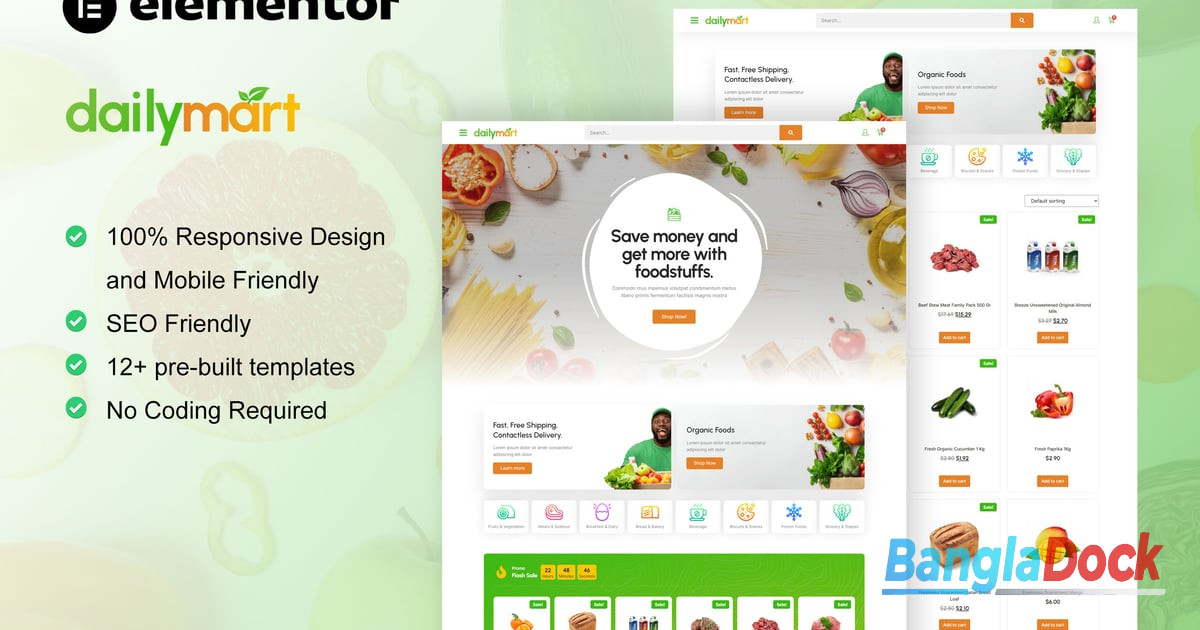
- Benefit: Speeds up the entire checkout process, reducing frustration and preventing customers from leaving due to delays. Starting with a high-quality, performance-optimized theme, like the Grocery Mart – Grocery Vegitables and Organic Elementor WooCommerce Store or the Elocart – Multipurpose Electronics Store Elementor WooCommerce Responsive Theme, provides a strong foundation for speed.
6. Affiliate Management Plugins for Pre-Checkout Engagement
While optimizing your checkout process is critical, driving qualified traffic to it is equally important. Affiliate marketing can significantly boost your reach and bring in highly engaged potential customers, reducing the likelihood of initial abandonment.
- How it Helps: Affiliates promote your products to their audience, often pre-qualifying leads who are more likely to convert when they reach your optimized checkout.
- Recommendation: For robust affiliate program management, consider a solution like WooCommerce 2Performant Affiliates WordPress-2PA. This plugin allows you to seamlessly integrate an affiliate program with your WooCommerce store, tracking referrals and commissions efficiently. It's available as a 100% clean, virus-free premium GPL alternative at an affordable price (৳490) with lifetime updates on BanglaDock, offering excellent value for managing your affiliate network.
Real-World Use Cases for Checkout Optimization
Let's consider how these WooCommerce plugins translate into practical scenarios:
- Scenario 1: High Shipping Cost Abandonment. A customer adds several items, proceeds to checkout, and discovers a high shipping cost. An exit-intent pop-up (from a cart abandonment plugin) could offer a small discount or free shipping on their current order, recovering the sale.
- Scenario 2: Lengthy Form Frustration. A user on a mobile device finds a multi-page checkout with numerous fields cumbersome. Implementing a one-page checkout plugin drastically simplifies the form, making it easier to complete on smaller screens and reducing the chances of them giving up.
- Scenario 3: Trust Issues. A new visitor is hesitant to enter credit card details. Displaying prominent trust badges (using a trust badge plugin) from recognized security providers on the checkout page immediately alleviates concerns, pushing them towards conversion.
- Scenario 4: B2B Order requiring Agreements. For businesses requiring formal agreements or terms acceptance beyond a simple checkbox, tools like WP E-Signature – Bundle with all addons can integrate digital signing workflows directly into the post-purchase or checkout confirmation process, ensuring legal compliance.
Common Mistakes to Avoid in Checkout Page Optimization
While plugins offer powerful solutions, some common missteps can still undermine your efforts to reduce cart dropoff:
- Over-optimizing: Adding too many pop-ups, upsells, or distractions on the checkout page itself. Keep the checkout focused on completion.
- Ignoring Mobile Responsiveness: A significant portion of traffic comes from mobile. Ensure your optimized checkout is flawless on all devices.
- Lack of A/B Testing: Don't guess what works. Test different layouts, button colors, and field arrangements to see what truly resonates with your audience.
- Hidden Costs: Be transparent about all costs (shipping, taxes) as early as possible. Surprises at the final step are a major cause of WooCommerce cart abandonment.
- No Guest Checkout Option: Forcing account creation is a deal-breaker for many. Offer guest checkout and then provide an option to create an account post-purchase.
Troubleshooting Common Checkout Issues
Even with the best WooCommerce plugins, issues can arise. Here's a quick troubleshooting guide:
- Payment Gateway Errors:
- Symptom: Customers report "payment failed" or "transaction declined."
- Diagnosis: Check your payment gateway's status page for outages. Verify API keys and credentials in WooCommerce settings. Test with a sandbox/test mode if available. Contact your payment gateway provider.
- Plugin Conflicts:
- Symptom: Checkout page functions improperly, fields disappear, or buttons don't work.
- Diagnosis: Deactivate all plugins except WooCommerce and your payment gateway. Re-activate them one by one, testing the checkout after each, to identify the conflicting plugin.
- Slow Checkout Loading:
- Symptom: Page takes a long time to load, especially during AJAX updates.
- Diagnosis: Clear your website and server cache. Optimize images. Check your hosting environment for performance bottlenecks. Use a performance monitoring tool to identify slow scripts or database queries.
- Missing Fields/Broken Layout:
- Symptom: Essential fields are gone, or the layout is distorted.
- Diagnosis: Check your theme's customization options for the checkout page. If using a checkout optimization plugin, review its settings. Ensure your theme and all plugins are updated to their latest versions.
Best Practices for Reducing Cart Dropoff
Beyond specific plugins, adopting these best practices will contribute significantly to your checkout page optimization efforts:
- Offer Guest Checkout: Always provide this option.
- Display Progress Indicators: Visually show customers where they are in the checkout journey (e.g., "Step 1 of 3").
- Be Transparent About Costs: Show total costs, including shipping and taxes, as early as possible.
- Provide Multiple Payment Options: Cater to diverse customer preferences.
- Ensure Mobile Responsiveness: A seamless experience on all devices is critical.
- Use Strong Calls to Action: Clear, concise buttons like "Proceed to Payment."
- Include Security Seals & Trust Badges: Reassure customers about data security.
- Offer Live Chat Support: Provide immediate assistance for questions during checkout.
- Simplify Forms: Only ask for essential information. Use auto-fill where possible.
- A/B Test Everything: Continuously test and refine your checkout process.
- Retarget Abandoned Carts: Implement email reminders and perhaps small incentives. For deeper insights into converting visitors, explore our guide on How to Boost WooCommerce Sales by 30% Using Advanced Sales Funnels.
Conclusion
Reducing WooCommerce cart abandonment isn't a one-time fix; it's an ongoing process of refinement and optimization. By strategically implementing the right WooCommerce plugins and adhering to best practices for checkout page optimization, you can create a frictionless, trustworthy, and efficient purchasing experience. This not only helps to reduce cart dropoff but also builds customer loyalty and ultimately drives sustainable growth for your online store.
Invest in your checkout process, and watch your conversions soar.
Frequently Asked Questions
What is WooCommerce cart abandonment and why is it a problem?
WooCommerce cart abandonment occurs when a customer adds items to their shopping cart but leaves your site before completing the purchase. It's a significant problem because it represents lost revenue from customers who were already interested in your products, indicating a breakdown in the conversion funnel, often at the critical checkout stage.
Which types of WooCommerce plugins are most effective for checkout page optimization?
The most effective WooCommerce plugins for checkout page optimization fall into several categories: one-page/streamlined checkout plugins to simplify the process, cart abandonment recovery plugins to re-engage lost customers, trust and security badge plugins to build confidence, and performance optimization plugins to ensure speed. Additionally, affiliate management plugins like WooCommerce 2Performant Affiliates WordPress-2PA can drive pre-qualified traffic, indirectly reducing abandonment by bringing in more engaged users.
What are some quick wins to reduce cart dropoff without extensive development?
Several quick wins can significantly reduce cart dropoff. Enable guest checkout, ensure all costs (shipping, taxes) are displayed upfront, add trust badges and security seals to your checkout page, and optimize your site's loading speed. Implementing an automated abandoned cart email sequence (often available through dedicated plugins) is another highly effective strategy to recover lost sales with minimal effort.