

WordPress GPL License Explained: What It Means and Why It Matters in 2025
The WordPress GPL license is one of the most discussed parts of the WordPress ecosystem, yet many site owners, developers, freelancers, and agencies still misunderstand what it actually allows. In 2025, that confusion matters even more because businesses rely on premium themes, commercial plugins, hosted workflows, and reusable design systems to build faster and scale smarter.
If you work with WordPress, the GPL is not a side topic. It shapes how software is distributed, how derivative works are handled, and how developers can legally modify and share code. It also affects where you buy themes and plugins, how you evaluate vendors, and how you protect your website from risky downloads.
This guide explains the WordPress GPL license in plain language, with a developer-friendly focus on real use cases, common misunderstandings, best practices, and troubleshooting steps. If you source GPL products from trusted providers such as BanglaDock, understanding the license helps you make smarter decisions about support, updates, and security.
What Is the WordPress GPL License?
GPL stands for General Public License. WordPress is licensed under the GNU GPL, which is a free software license designed to guarantee users the freedom to run, study, modify, and redistribute software.
In practical terms, if a theme or plugin is considered a derivative work of WordPress, it is generally expected to be GPL-compatible. That is why so many WordPress themes and plugins are distributed under GPL terms, even when they are sold commercially.
The core freedoms of the GPL are straightforward:
- Use the software for any purpose, including commercial projects.
- Access and modify the source code to fit your project needs.
- Redistribute the original software if you follow the license terms.
- Share modified versions under the same GPL rules.
This is the reason a WordPress plugin can be paid software and still be GPL-licensed. The price is about access, convenience, updates, support, bundled assets, or vendor services. The license is about software freedom.
Why the GPL Still Matters in 2025
The GPL remains relevant because WordPress continues to power a large portion of the web, and the ecosystem around it keeps expanding. Full-site editing, block-based development, AI-assisted workflows, WooCommerce customization, and low-code site building all depend on plugins, themes, and reusable components.
For developers and business owners, the GPL matters in 2025 for several reasons:
- Vendor flexibility: You are not locked into a single provider for ongoing use of GPL software.
- Long-term maintainability: Developers can inspect and adapt code instead of treating it as a black box.
- Agency workflows: Teams can build repeatable client systems more efficiently.
- Legal clarity: The GPL defines how redistribution and modification work.
- Ecosystem openness: Innovation moves faster when code can be extended and improved.
That openness is also why many professionals look for reputable sources of GPL products rather than unverified download sites. The license may allow redistribution, but it does not guarantee that every distributor is trustworthy, secure, or current.
How the GPL Applies to WordPress Themes and Plugins
Plugins
Most WordPress plugins interact directly with WordPress core APIs, hooks, filters, and internal structures. That close integration is why plugins are widely treated as derivative works under GPL principles. For site owners, the big takeaway is simple: using a GPL plugin is normal, legal, and standard across the WordPress industry.
For example, a form builder such as WPForms Pro Bundle + All Addons can be distributed under GPL while still offering commercial value through convenience, packaging, and access to premium functionality.
Themes
WordPress themes are also closely tied to WordPress through template functions, theme APIs, and rendering logic. In practice, high-quality commercial themes are commonly licensed under GPL or a GPL-compatible model. Designers and developers can customize them, create child themes, and adapt them for client sites without negotiating special source-code rights.
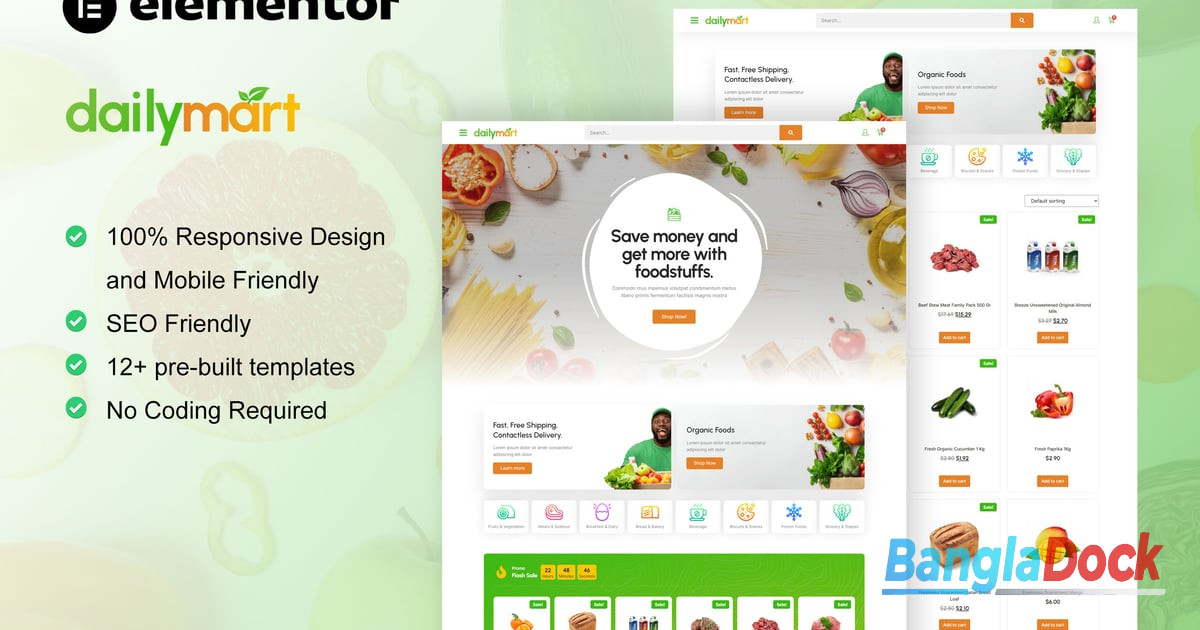
A ready-made product like DailyMart – Grocery Store Elementor Template Kit fits well into GPL-based workflows because it supports rapid site building while remaining modifiable for real business requirements.
Bundled Assets and Split Licensing
One area that creates confusion is bundled assets such as images, icons, fonts, videos, or third-party libraries. The PHP and JavaScript portions may be GPL, while certain design assets may have separate licensing terms. This is often called split licensing.
That means you should always review what is included in a package, especially if you plan to redistribute it, resell a derivative product, or use bundled media in client branding.
What the GPL Does Not Give You
The GPL gives software freedoms, but it does not automatically include every business right or service expectation people assume comes with a purchase.
- Support is not guaranteed unless a vendor includes it as part of a sale or subscription.
- Automatic updates are not guaranteed without a valid update mechanism or account access.
- Trademark rights are not included; software freedom does not equal brand ownership.
- Proprietary assets may not be reusable outside their stated terms.
- Security quality is not guaranteed just because software is GPL.
This is where buyers often make mistakes. They hear “GPL” and assume any copy found online is equally safe. That is not true. A redistributed plugin can still be outdated, tampered with, or missing licensing information for non-code assets.
Real-World Use Cases for Developers, Agencies, and Site Owners
Agency Client Builds
An agency can use GPL themes and plugins across multiple client projects, as long as it respects the relevant license terms. This is especially useful for reusable stacks that include forms, e-commerce features, signature workflows, and page builder templates.
For instance, a service business website may combine a lead capture plugin, WooCommerce extensions, and a document signing tool such as WP E-Signature – Bundle with all addons to streamline onboarding and approvals.
Custom Development
Developers can fork, inspect, and extend GPL code to create custom client solutions. That is a major benefit when troubleshooting compatibility issues, optimizing performance, or integrating third-party APIs.
Illustrative scenario: a developer receives a client site where a plugin conflicts with a custom checkout flow. Because the plugin is GPL, the developer can inspect hooks, trace execution, and patch the issue responsibly instead of waiting for access to closed code.
Business Continuity
If a vendor changes pricing, pauses development, or limits support, GPL licensing gives businesses more flexibility to maintain their own copy or hire a developer to continue adapting the software. That flexibility can be valuable for long-lived WordPress projects.
Common GPL Misunderstandings in WordPress
- “GPL means free of cost.” No. It means freedom under the license terms, not zero price.
- “GPL products cannot be sold.” They can absolutely be sold.
- “GPL covers support and updates forever.” Those are vendor services, not automatic license rights.
- “Any GPL download site is safe.” The license does not validate the distributor’s security practices.
- “If I modify GPL code, I can relicence it as fully proprietary.” If it is a derivative GPL work, redistribution generally remains under GPL obligations.
Common Mistakes to Avoid
- Choosing software based only on price instead of reputation, update history, and file integrity.
- Ignoring asset licenses when templates include demo images, fonts, or third-party content.
- Skipping staging tests before deploying a GPL plugin or theme on a live production site.
- Confusing legal redistribution rights with operational readiness; legal access does not replace support planning.
- Neglecting security reviews when sourcing premium GPL themes and plugins.
If you are debugging a theme or plugin issue after installation, this guide on Master WordPress Debugging: Fix is a useful next step for identifying fatal errors, plugin conflicts, and environment-level issues.
Troubleshooting GPL Theme and Plugin Issues
When a GPL WordPress product does not behave as expected, the license is usually not the problem. The issue is often a version mismatch, corrupted package, missing dependency, blocked update path, or a conflict with another extension.
Diagnostic Steps
- Check the source: Confirm the product came from a reputable distributor and matches the expected version.
- Scan the files: Review suspicious code, unexpected obfuscation, or altered installer behavior.
- Test on staging: Reproduce the issue with only the theme, required plugins, and a default configuration.
- Review PHP and WordPress requirements: Older plugins often fail on newer PHP versions.
- Enable debugging: Use WordPress debug logs to locate stack traces, deprecated functions, or missing includes.
- Audit update mechanisms: Some products rely on vendor APIs for automatic updates and license-based delivery.
Security should be part of that workflow every time. For a deeper hardening checklist, review Top 10 WordPress Security Best Practices for 2025 to Keep Your Website Safe from Cyber Attacks.
Best Practices When Using GPL WordPress Products in 2025
- Buy or source from trusted providers with clear product listings, update transparency, and secure delivery.
- Maintain a staging environment for every theme or plugin update.
- Track license scope for bundled assets, especially media and commercial design resources.
- Document your stack so clients know what is installed, who maintains it, and how updates are handled.
- Keep backups and rollback options ready before major changes.
- Review code quality when possible if a plugin affects performance, checkout, security, or user data.
Why Trust and Source Quality Matter as Much as the License
The WordPress GPL license gives you legal freedom around software use and modification, but it does not replace operational due diligence. In 2025, professional WordPress work depends on trusted sourcing, secure packaging, routine updates, and clean implementation practices.
That is why many users prefer established GPL suppliers instead of random repositories or forum uploads. A reliable provider can save time during setup, reduce the risk of compromised files, and make it easier to maintain a predictable workflow for client and business websites.
When you combine the flexibility of GPL licensing with responsible sourcing, you get the best of both worlds: adaptable software and a safer path to deployment.
Final Takeaway for WordPress Users in 2025
The WordPress GPL license still matters because it protects openness across the ecosystem. It allows developers to inspect and improve code, gives agencies flexibility across client projects, and helps site owners avoid unnecessary lock-in. At the same time, GPL does not remove the need for careful product selection, testing, and security review.
If you understand the difference between software freedom and vendor services, you will make better decisions about themes, plugins, maintenance, and support. That makes the GPL more than a legal detail. It becomes a practical advantage for building WordPress sites that are maintainable, portable, and ready for change.
Frequently Asked Questions
Can GPL WordPress themes and plugins be sold legally?
Yes. GPL software can be sold legally. The license does not ban commercial distribution. In WordPress, vendors often charge for packaging, convenience, updates, support access, or curated product bundles. What the GPL protects is the user’s freedom to run, study, modify, and redistribute the software under the license terms.
Does using a GPL plugin mean I get automatic updates and developer support?
No. The GPL gives rights related to the software itself, but support and automatic updates are service-level offerings from the seller or distributor. Before installing a GPL plugin or theme, check whether update delivery, support coverage, documentation, and version history are included.
Is it safe to download WordPress GPL products from any website?
No. The GPL may allow redistribution, but it does not guarantee that every distributor provides clean, current, or untampered files. Always use reputable sources, test on staging, scan files when needed, and verify compatibility with your WordPress and PHP versions before deploying to a live site.