

Why WooCommerce Cart Abandonment Happens at Checkout
WooCommerce cart abandonment usually starts with friction, not intent. A shopper may like the product, add it to the cart, and still leave when the checkout feels too long, too unclear, or too slow. In 2026, buyers expect fewer form fields, faster page loads, more payment confidence, and mobile-friendly interactions that do not force extra taps.
That is why checkout page optimization has become one of the highest-leverage areas in WooCommerce. The right plugins do not just make the page look nicer. They remove friction, recover unfinished purchases, and make the final step feel safe and predictable.
What WooCommerce Checkout Optimization Plugins Actually Improve
Not every plugin solves the same problem. Some reduce the number of steps. Others simplify fields, recover abandoned carts, or improve payment trust. A practical plugin stack usually focuses on four areas:
- Form reduction: fewer fields, smarter defaults, and better field ordering.
- Checkout flow: one-page checkout, express checkout, or guided funnels.
- Recovery automation: emails or reminders for unfinished orders.
- Trust and clarity: clear pricing, secure payment cues, and fewer surprises.
When those pieces work together, you reduce cart dropoff without forcing customers to fight the checkout form.
Top WooCommerce Checkout Optimization Plugins to Consider
1. CartFlows for guided checkout funnels
CartFlows is a strong fit when your store needs more than a standard checkout page. It helps you create optimized funnels, add order bumps, and build a clearer purchase path. For stores selling bundles, premium offers, or conversion-focused landing pages, it can simplify the route from product page to payment.
It works best when you want to guide the shopper through a shorter, more focused flow rather than a generic WooCommerce checkout. This is especially useful for stores that want to improve checkout page optimization for mobile traffic.
2. FunnelKit for checkout optimization and recovery
FunnelKit combines checkout customization with cart recovery tools. It is useful for stores that want to tailor the checkout experience and follow up on abandoned carts from the same ecosystem. You can create streamlined checkout steps, test layout changes, and build recovery sequences around the exact point where buyers leave.
For stores focused on WooCommerce cart abandonment, this kind of combined setup is practical because it supports both prevention and recovery. That saves time and reduces plugin sprawl.
3. WooCommerce Cart Abandonment Recovery plugins
Dedicated abandonment recovery plugins are useful when your main goal is to bring shoppers back after they leave. These tools typically track abandoned carts and trigger reminder emails after a configurable delay. They work well for stores with repeat buyers, higher-margin products, or seasonal campaigns where follow-up matters.
If your checkout already works reasonably well, but the store still loses revenue after cart creation, this category deserves attention. It turns lost sessions into a measurable recovery workflow instead of a silent dropoff.
4. Checkout Field Editor for cleaner forms
Checkout Field Editor plugins help you remove unnecessary fields, rename confusing labels, and reorder form inputs. That matters more than many store owners expect. Every extra field creates another chance for a shopper to pause, make a typo, or abandon the page on mobile.
Use this kind of plugin when your checkout asks for information that is not needed to complete the order. Cleaner forms are one of the fastest ways to reduce cart dropoff without changing your entire storefront.
5. WooCommerce Direct Checkout or One Page Checkout tools
Direct checkout and one-page checkout plugins shorten the purchase process by removing unnecessary steps. They are a good fit for low-complexity stores, impulse-friendly products, and stores where the default cart page adds little value.
These tools work well when the goal is speed. If your product catalog is simple and the cart is only a temporary stop, sending shoppers closer to payment can improve the experience immediately.
Recommended Support Tools That Strengthen Checkout UX
Checkout optimization is easier when the rest of the funnel supports it. A few additional WordPress tools can help reduce confusion and keep buyers moving:
- WPForms Pro Bundle + All Addons for custom lead capture, order-related forms, and cleaner post-purchase workflows.
- WP E-Signature – Bundle with all addons for stores that need agreements, approvals, or document signing before order completion.
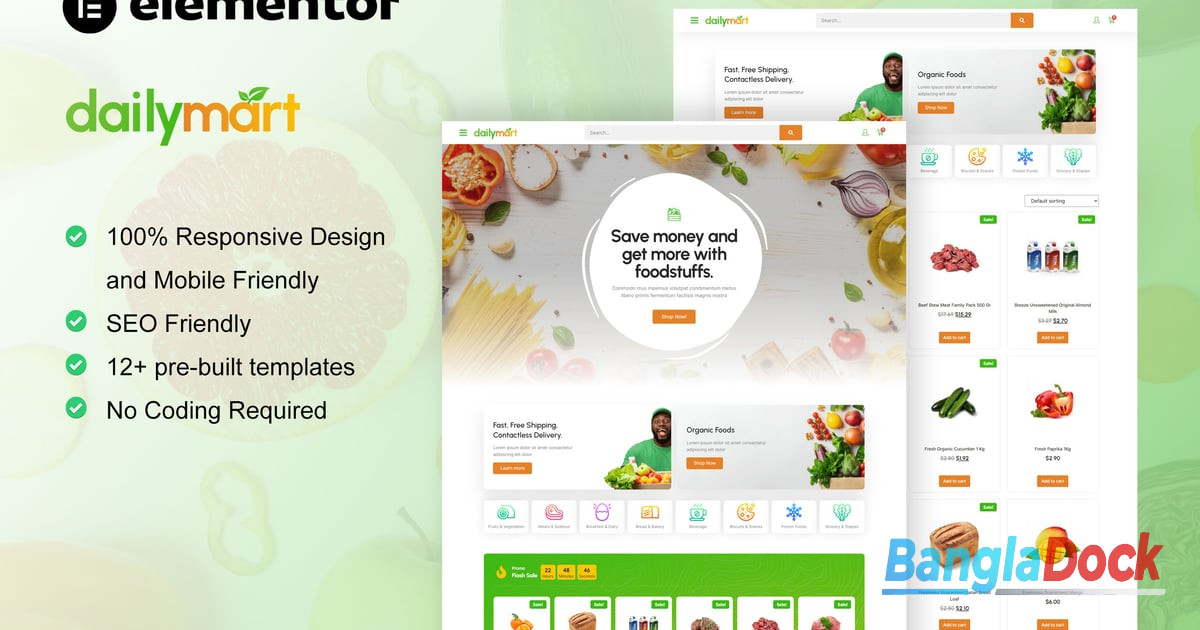
- DailyMart – Grocery Store Elementor Template Kit for building a fast, clear storefront layout that supports better checkout intent.
- WooCommerce 2Performant Affiliates WordPress-2PA as a recommended plugin option from BanglaDock, positioned as a clean, virus-free premium GPL alternative at an affordable price of ৳490 with lifetime updates.
That last option is especially relevant if your growth strategy includes affiliate-driven traffic. Affiliate visitors often arrive with higher intent, so a cleaner checkout path can help protect that traffic from avoidable friction.
Practical Use Cases From Real WooCommerce Stores
Subscription or service stores: A shorter checkout with fewer fields helps users complete recurring orders without hesitation. If the flow includes agreements or waivers, pairing checkout tools with WP E-Signature – Bundle with all addons can keep the process organized.
Local grocery or quick-commerce stores: Fast browsing, simple address capture, and mobile-first forms matter most. A layout built with a template like DailyMart – Grocery Store Elementor Template Kit can make the storefront easier to understand before customers ever reach the cart.
Lead-to-sale businesses: If buyers need to request quotes or confirm details before purchase, WPForms Pro Bundle + All Addons can support pre-checkout data capture without making the payment form heavy.
Affiliate-led stores: When you send traffic through partner channels, the checkout has to feel trustworthy and fast. A tool like WooCommerce 2Performant Affiliates WordPress-2PA can fit into a broader acquisition stack that works alongside funnel and cart recovery plugins.
Best Practices for Reducing WooCommerce Cart Abandonment
- Cut unnecessary fields: ask only for details required to fulfill the order.
- Keep the checkout mobile-friendly: large inputs, clear labels, and minimal distractions matter.
- Show total cost early: shipping, taxes, and fees should not appear as a surprise at the last step.
- Use one clear call to action: avoid competing buttons that split attention.
- Offer fast payment methods: users often leave when payment options feel limited.
- Recover abandoned carts automatically: follow-up emails can bring back shoppers who were simply interrupted.
- Test one change at a time: isolate form edits, layout changes, and recovery timing so results stay understandable.
Common Mistakes to Avoid
Many stores try to solve WooCommerce cart abandonment by adding more features when the real issue is friction. A few mistakes show up often:
- Adding too many plugins that overlap and slow the site.
- Keeping every checkout field active just because WooCommerce allows it.
- Using aggressive popups that interrupt payment intent.
- Ignoring mobile layout issues on small screens.
- Forcing shoppers to create an account before they can buy.
- Running recovery emails without testing copy, timing, or link tracking.
When a store installs tools without clearing the checkout path first, the problem usually gets hidden rather than fixed.
Troubleshooting Checkout Dropoff Step by Step
If checkout abandonment is still high after installing optimization plugins, use a simple diagnostic process:
- Check page speed: confirm that the cart and checkout pages load quickly on desktop and mobile.
- Review form length: remove optional fields that do not affect order fulfillment.
- Test payment methods: make sure gateways work cleanly in sandbox and live modes.
- Inspect error messages: unclear validation text can stop users mid-checkout.
- Compare device behavior: test the same flow on mobile, tablet, and desktop.
- Review abandoned cart emails: confirm timing, link accuracy, and deliverability.
If the checkout looks fine but users still leave, the issue may be upstream. Product pages, shipping clarity, or site trust signals can all affect whether shoppers continue to payment. For related funnel work, the article on How to Increase WooCommerce Revenue by 30% with High-Converting Sales Funnels in 2026 is a useful next read. If your store feels slow before checkout, also review Top 10 WP Rocket Setup Errors Slowing Down Your WordPress Site in 2026.
Choosing the Right Plugin Stack for 2026
The best WooCommerce plugin stack is the one that solves the specific reason your shoppers leave. For some stores, that means a funnel builder. For others, it means a form editor and a recovery plugin. In many cases, the most effective setup is small and intentional: one plugin to simplify checkout, one to recover abandoned carts, and one to support the surrounding customer journey.
If you want a practical starting point, pair checkout simplification with a recovery workflow, then support the broader funnel with carefully chosen tools from the rest of your stack. That approach gives you a cleaner path to purchase and makes it easier to reduce cart dropoff without cluttering WordPress.
For stores that want an affordable premium GPL option in the affiliate space, WooCommerce 2Performant Affiliates WordPress-2PA is worth considering alongside your checkout tools, especially when traffic quality and conversion flow both matter.
Strong checkout optimization is not about adding more noise. It is about removing hesitation, shortening the path to payment, and making each step feel obvious. That is how WooCommerce stores turn abandoned carts into completed orders in 2026.
Frequently Asked Questions
Which type of plugin helps most with WooCommerce cart abandonment?
The most effective plugin depends on the cause of abandonment. Checkout field editors help reduce friction, funnel builders shorten the path to payment, and cart recovery plugins bring shoppers back after they leave. Many stores need a combination of these tools to improve results.
Should I use one checkout plugin or several WooCommerce plugins?
Start with the smallest stack that solves the problem. If checkout is too long, use a form or checkout optimization plugin first. If shoppers leave after adding items, add cart recovery. Only combine multiple plugins when each one has a clear, non-overlapping job.
What is the fastest way to reduce cart dropoff on a WooCommerce store?
Remove unnecessary checkout fields, make the checkout mobile-friendly, display total costs early, and offer a smooth payment experience. After that, add abandoned cart recovery so you can follow up with shoppers who still leave before paying.