

The Deceptive Allure: Understanding Cracked Software's Hidden Hazards
In the vast digital landscape of WordPress, the promise of "free" can often be a siren song, luring developers and website owners towards what appear to be cost-saving shortcuts. This temptation frequently manifests in the form of "cracked screens"—a common term referring to pirated or unlicensed versions of premium WordPress themes, plugins, and other software. While the immediate appeal of avoiding a purchase might seem logical, the hidden hazards associated with these cracked versions far outweigh any perceived benefit. From critical security vulnerabilities to legal repercussions, using cracked software introduces a myriad of risks that can severely compromise your website, your data, and your reputation.
For anyone building or managing a WordPress site, understanding these dangers is not just advisable; it's essential for maintaining a secure, performant, and reliable online presence. This guide will delve deep into the technical, ethical, and practical implications of opting for cracked software, offering insights into why legitimate sources, like the premium GPL offerings at BanglaDock, are always the superior choice.
The Illusion of Savings: Why "Free" Comes at a High Cost
The primary driver behind the adoption of cracked themes and plugins is, understandably, the desire to save money. Premium WordPress products can represent a significant investment, especially for new businesses or hobbyists. However, this initial saving is often a false economy, masking a host of insidious problems that can cost far more in the long run than the original license fee.
When you download a cracked version, you're not just getting a free copy of the software; you're also inheriting whatever modifications the cracker has introduced. These modifications are rarely benign. They can range from subtle backdoors to overt malware, all designed to compromise your site for various nefarious purposes.
Critical Security Vulnerabilities and Malware Injection
One of the most immediate and severe risks of using cracked software is the inherent security vulnerability. Pirated versions are a prime vector for malware distribution. Crackers often embed malicious code into the theme or plugin files, which can then:
- Create Backdoors: Granting unauthorized access to your WordPress administration panel or server, allowing attackers to manipulate your site, steal data, or launch further attacks.
- Inject Spam or Phishing Content: Automatically inserting spam links, advertisements, or even phishing pages onto your site, damaging your SEO and user trust.
- Steal Sensitive Data: Compromising user information, customer databases, or payment details, leading to data breaches and potential legal liabilities.
- Deface Your Website: Altering your site's appearance or content without your permission, often for propaganda or disruptive purposes.
- Launch DDoS Attacks: Turning your website into a botnet participant, unknowingly aiding in distributed denial-of-service attacks against other targets.
For more detailed insights into these threats, we recommend reading our related article on The Dangers of Cracked & software.
Performance Degradation and System Instability
Beyond security, cracked software frequently leads to significant performance issues. Malicious code, even if not overtly destructive, can be poorly written, resource-intensive, or designed to perform background tasks (like cryptocurrency mining), leading to:
- Slow Loading Times: Affecting user experience, bounce rates, and search engine rankings.
- Server Overload: Consuming excessive server resources, potentially leading to downtime or additional hosting costs.
- Plugin Conflicts: Unofficial modifications can break compatibility with other legitimate plugins and themes, causing errors and site functionality issues.
- Unpredictable Behavior: Features may not work as intended, or the software might crash, leading to a frustrating and unreliable website.
Lack of Updates, Support, and New Features
Premium software comes with the promise of ongoing development. This includes regular updates for security patches, bug fixes, new features, and compatibility with the latest WordPress versions. When you use cracked software:
- No Security Patches: You miss out on critical updates that address newly discovered vulnerabilities, leaving your site exposed to evolving threats.
- No Bug Fixes: You're stuck with any bugs or glitches present in that specific cracked version, without access to official resolutions.
- No Technical Support: When something goes wrong, you have no official support channel to turn to, leaving you to troubleshoot complex issues on your own.
- No New Features: Your site will quickly become outdated, lacking the enhancements and innovations that legitimate users enjoy.
Legal and Ethical Ramifications
Using cracked software is a direct violation of copyright law. While individual users might believe they are immune, the legal risks are real. Businesses, in particular, face potential lawsuits, hefty fines, and significant reputational damage if caught using unlicensed software. Moreover, it undermines the hard work of developers and stifles innovation in the WordPress ecosystem.
Technical Deep Dive: How Cracked Software Compromises Your Site
Understanding the mechanisms by which cracked software infiltrates your system is key to appreciating the depth of the threat. Crackers employ several techniques:
- Obfuscated Code: Malicious code is often intentionally obscured or encrypted to evade detection by casual inspection or basic security scans. This makes it challenging to identify and remove.
- Hidden Files and Directories: Crackers may embed extra files or even entire directories within the theme or plugin structure that contain malware, often disguised as legitimate components.
- Database Manipulation: Some cracked plugins can directly inject malicious entries into your WordPress database, making removal even more complex as it's not just file-based.
- Remote Control Scripts: The injected code might establish a connection to a remote server, allowing attackers to send commands to your website, effectively turning it into a zombie.
Real-World Use Cases: Illustrative Scenarios
Consider these scenarios:
- E-commerce Disaster: An online store uses a cracked version of a popular e-commerce plugin. Unbeknownst to the owner, the cracked version contains a script that quietly siphons customer credit card details to a third-party server. The store faces massive data breach fines, loss of customer trust, and potential closure.
- Blogger's Nightmare: A successful blogger installs a cracked premium theme. Over time, their site starts injecting unsolicited spam links into their posts and redirects visitors to malicious sites. Google blacklists the site, search rankings plummet, and their hard-earned audience vanishes.
- Developer's Frustration: A web developer, trying to save money for a client, uses a cracked version of a form builder like WPForms Pro Bundle (+ All Addons). The forms intermittently fail to send submissions, or worse, expose sensitive data due to a hidden vulnerability in the pirated code. The client loses trust, and the developer's reputation is damaged.
Troubleshooting and Diagnostic Steps for Suspected Compromise
If you suspect your WordPress site has been compromised due to cracked software, immediate action is crucial:
- Backup Your Site (Carefully): Create a full backup, but be aware it might contain the malicious code. This is for recovery if things go wrong during cleanup.
- Scan with Reputable Security Plugins: Install and run comprehensive scans using trusted WordPress security plugins like WordFence, Sucuri, or iThemes Security. These tools can often detect known malware signatures and backdoors.
- Review File Integrity: Compare your core WordPress files, and legitimate theme/plugin files against their original versions. Tools like WordFence can help identify modified files.
- Check for Suspicious Users: Look for any unfamiliar user accounts with administrative privileges in your WordPress dashboard.
- Examine Server Logs: Review your hosting server's access and error logs for unusual activity, frequent failed login attempts, or suspicious IP addresses.
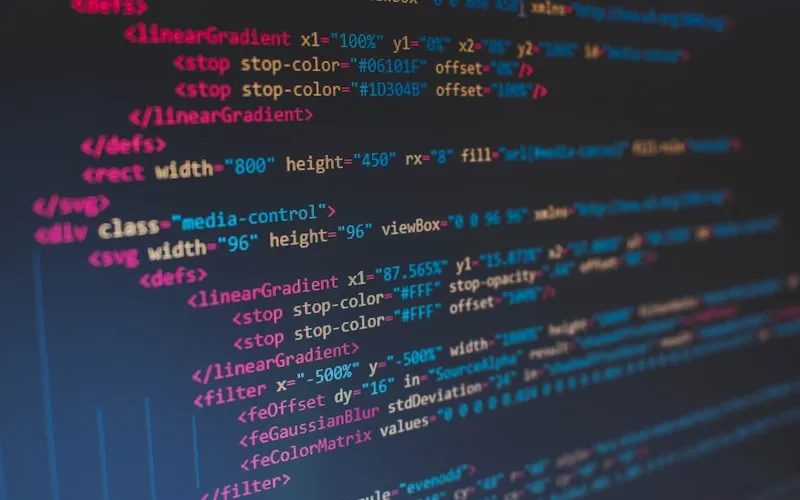
- Manually Inspect Code (if comfortable): Look for obfuscated PHP code (e.g., heavily encoded strings, eval(base64_decode())), unfamiliar functions, or suspicious external links within your theme's functions.php, header.php, footer.php, and any newly created files.
- Remove and Replace: The most reliable solution is to remove all cracked themes and plugins. Replace them with legitimate versions from official sources or reputable GPL providers like BanglaDock.
Common Mistakes to Avoid
- Downloading from Unknown Sources: Never download themes or plugins from torrent sites, file-sharing platforms, or obscure forums.
- Ignoring Warnings: If your hosting provider or security plugin flags suspicious activity, don't dismiss it. Investigate immediately.
- Assuming All GPL is "Free": While the GPL allows redistribution, legitimate providers offer support, updates, and curation. Simply because something is GPL doesn't mean a pirated version is safe or legal. For a deeper understanding, refer to our article on Nulled Software vs. legitimate GPL.
- Delaying Action: The longer malicious code resides on your site, the more damage it can inflict.
Best Practices for a Secure and Reliable WordPress Environment
Protecting your WordPress site from the hidden hazards of cracked software is straightforward when you adhere to best practices:
- Always Choose Legitimate Sources: Acquire all themes and plugins from official developers or trusted GPL marketplaces. Platforms like BanglaDock offer premium GPL WordPress themes and plugins, ensuring you receive clean, secure, and regularly updated software without the risks associated with cracked versions.
- Keep Everything Updated: Regularly update your WordPress core, themes, and plugins. Updates often include critical security patches.
- Use Strong Security Measures: Implement a robust WordPress security plugin, use strong passwords, and enable two-factor authentication.
- Regular Backups: Maintain a consistent backup schedule for your entire website (files and database) to ensure you can recover from any disaster.
- Educate Your Team: Ensure anyone with access to your WordPress site understands the risks of installing unauthorized software.
- Invest in Quality: Consider premium solutions like the Education School College University - Estudiar theme for robust foundation or the Pretty Links Developer Edition for advanced link management. These are examples of investments that pay off in stability, features, and security.
The True Cost of Compromise
The allure of "free" cracked software is a potent but dangerous illusion. While the upfront cost of premium themes and plugins might seem like a barrier, the potential costs of dealing with a compromised website—data breaches, lost revenue, reputational damage, legal fees, and countless hours of troubleshooting—are far greater. Investing in legitimate software from reputable sources like BanglaDock is not just a purchase; it's an investment in your website's security, stability, and future success. Prioritize security, performance, and peace of mind over the fleeting temptation of a cracked screen.
Frequently Asked Questions
What exactly is "cracked software" in the context of WordPress?
In the WordPress ecosystem, "cracked software" refers to pirated or unlicensed versions of premium themes, plugins, or other digital tools. These versions have typically been modified by third parties to bypass licensing checks, allowing users to install and use them without purchasing a legitimate license. While seemingly free, these versions often contain hidden malicious code or are intentionally outdated, posing significant security and performance risks.
What are the most significant risks associated with using cracked WordPress themes or plugins?
The primary risks include severe security vulnerabilities, such as malware injection (backdoors, spam, data theft), and performance degradation, leading to slow loading times and site instability. Additionally, users of cracked software miss out on crucial security updates, bug fixes, and technical support from the original developers. There are also significant legal and ethical implications, including copyright infringement and potential damage to your online reputation.
How can I ensure my WordPress site is safe from the hidden hazards of cracked software?
To protect your WordPress site, always acquire themes and plugins from legitimate and reputable sources, such as official developer websites or trusted GPL marketplaces like BanglaDock