
In the expansive world of WordPress, the allure of "free" premium themes and plugins can be incredibly tempting. A quick search might lead you to websites offering what appear to be legitimate, high-end WordPress products—themes, plugins, and add-ons—at no cost. These are often referred to as cracked or nulled WordPress themes and plugins. While the immediate saving might seem like a win, the long-term consequences can be catastrophic for your website, your data, and your reputation. This article will expose the profound dangers lurking within these seemingly harmless downloads and guide you toward safer, more sustainable WordPress practices.
The term "nulled" typically refers to commercial WordPress software that has been modified, often illegally, to bypass licensing restrictions, allowing it to be used without a valid license key. "Cracked" implies a similar process of breaking the software's security or licensing mechanisms. Both terms essentially describe unauthorized, pirated versions of premium products. While they might function on the surface, they come laden with hidden risks that far outweigh any perceived benefit.
The Many Faces of Danger: Why Cracked & Nulled Software is a Threat
The risks associated with using cracked and nulled WordPress themes and plugins are multi-faceted, impacting security, performance, search engine optimization, and even legal standing.
Security Vulnerabilities and Malware Injections
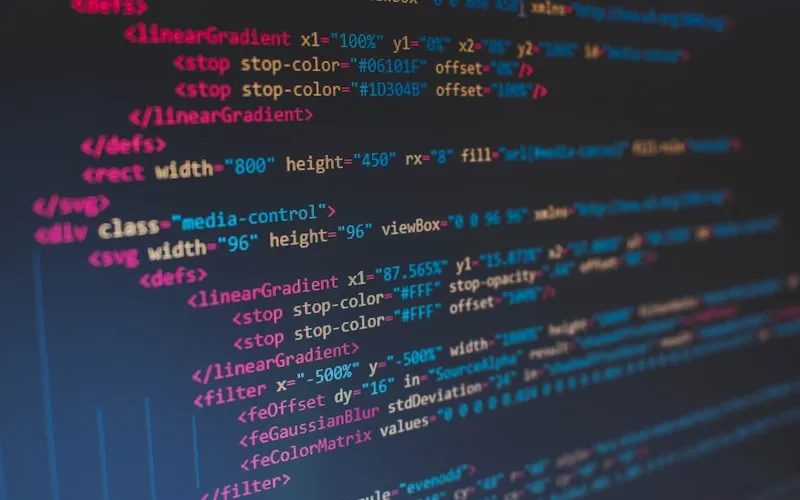
This is arguably the most critical danger. When you download a nulled theme or plugin, you're not just getting the original software; you're also getting whatever modifications the "cracker" decided to include. These modifications frequently consist of malicious code:
- Backdoors: Hidden access points that allow attackers to bypass normal authentication and gain full control of your WordPress site. This can lead to complete site takeover, data theft, and even server compromise.
- Malware and Viruses: Injected scripts designed to spread infections to your visitors, steal sensitive information (like user credentials or payment details), or turn your site into part of a botnet for launching DDoS attacks.
- Spam Injectors: Code that automatically posts spam comments, creates spam pages, or sends out spam emails from your server, damaging your site's reputation and potentially getting it blacklisted.
- Remote Code Execution: Vulnerabilities that allow an attacker to run arbitrary code on your server, leading to severe data breaches and system compromise.
Imagine running an e-commerce store with a nulled theme. A hidden backdoor could allow an attacker to access your customer database, stealing names, addresses, and even payment information. This isn't just a technical inconvenience; it's a potentially devastating data breach with severe legal and financial repercussions.
SEO Penalties and Reputation Damage
Search engines like Google actively penalize websites that host malicious content, engage in spamming, or redirect users to unwanted sites. Nulled software often injects such elements without your knowledge:
- Hidden Spam Links: Invisible links pointing to nefarious websites can be embedded, leading to SEO penalties.
- Malicious Redirects: Your visitors might be automatically redirected to spam or phishing sites, especially on mobile devices.
- Blacklisting: Search engines and web browsers can blacklist your site, displaying warnings to users and drastically reducing your organic traffic.
Recovering from an SEO penalty or a blacklisting can be a long, arduous, and expensive process, often requiring significant development effort to clean up the site and regain trust.
Loss of Functionality and Performance Issues
Nulled software is inherently unstable. The modifications made to bypass licensing can break core functionalities, introduce bugs, or create conflicts with other legitimate plugins:
- Broken Features: Essential components of the theme or plugin might not work as intended, or they might cease to function after a WordPress update.
- Compatibility Problems: Nulled versions are often outdated and not tested for compatibility with the latest WordPress core, PHP versions, or other plugins, leading to errors and crashes.
- Performance Degradation: Malicious scripts or poorly modified code can consume excessive server resources, slowing down your website significantly. A slow site frustrates users and negatively impacts your search rankings.
For instance, if you're building a robust contact form system, relying on a nulled version of a powerful tool like WPForms Pro Bundle (+ All Addons) could mean critical form submissions fail, data isn't collected correctly, or security vulnerabilities are introduced, undermining your entire communication strategy.
Lack of Updates and Technical Support
Premium WordPress themes and plugins are constantly updated to fix bugs, introduce new features, improve security, and maintain compatibility with the latest WordPress versions. With nulled software, you lose access to:
- Crucial Security Patches: As new vulnerabilities are discovered, legitimate developers release updates. Nulled versions do not receive these, leaving your site perpetually exposed.
- New Features and Enhancements: You'll miss out on valuable improvements that could enhance your site's functionality and user experience.
- Developer Support: When you encounter an issue, there's no official support channel for nulled software. You're left to troubleshoot complex problems alone, often without adequate documentation.
Consider a specialized theme like Education School College University - Estudiar. Without regular updates, it might quickly become incompatible with new WordPress versions or develop security flaws, jeopardizing the integrity of an educational institution's online presence.
Legal and Ethical Implications
Using cracked and nulled WordPress themes and plugins is essentially software piracy. It's a violation of copyright and the developer's intellectual property rights. While individual users might rarely face direct legal action, businesses and organizations face significant legal risks, including:
- Copyright Infringement Lawsuits: Developers can pursue legal action for unauthorized use of their software.
- Terms of Service Violations: Hosting providers may suspend your service if they detect pirated software on your server.
- Ethical Concerns: It undermines the hard work and livelihood of developers who invest time and resources into creating quality software. Supporting legitimate development ensures continued innovation and improvement within the WordPress ecosystem.
Identifying and Diagnosing Compromised WordPress Sites
If you suspect your site might be running compromised software or has been infected, here are some indicators and diagnostic steps:
Common Indicators of Nulled Software Infection
- Unexpected Redirects: Your site redirects visitors to other sites without your input.
- New Admin Users: Unfamiliar user accounts appear in your WordPress dashboard with administrator privileges.
- Strange Content: Unwanted pages, posts, or comments appear on your site.
- Slow Performance: Your site suddenly becomes sluggish, indicating resource-intensive malicious scripts.
- Error Messages: Frequent PHP errors or warnings appear.
- Search Engine Warnings: Google or other search engines display warnings about your site being hacked or containing spam.
- Unusual Files: Mysterious files or folders appear in your WordPress installation via FTP/SFTP.
Steps to Diagnose a Potential Issue
- Run Security Scans: Utilize reputable WordPress security plugins (e.g., Wordfence, Sucuri) to scan your entire site for malware, backdoors, and suspicious files.
- Check File Integrity: Compare your core WordPress files with a fresh download from WordPress.org to identify any unauthorized modifications. Many security plugins offer this feature.
- Inspect Your Database: Look for unusual entries in your database, especially in options tables or post content, which might indicate spam injections.
- Review User Accounts: Scrutinize all user accounts in your WordPress dashboard, removing any unfamiliar administrators.
- Examine .htaccess and wp-config.php: These files are common targets for attackers. Look for unfamiliar code.
- Check Server Logs: Your hosting provider's server logs can reveal unusual activity, unauthorized access attempts, or excessive resource usage.
Preventing the Peril: Best Practices for Secure WordPress Development
The best defense against the dangers of cracked and nulled WordPress themes and plugins is prevention. Embrace these best practices for a secure and sustainable WordPress presence:
Always Source Legitimate GPL Products
The General Public License (GPL) governs WordPress and much of its ecosystem. While GPL allows for modification and redistribution, it's critical to obtain your software from trustworthy sources. Purchase premium themes and plugins directly from their developers or through reputable marketplaces. For those seeking clean, secure premium GPL WordPress themes and plugins, a trusted source like BanglaDock provides legitimate software under the GPL, ensuring you receive unmodified, safe versions with the freedom to use them as intended. To understand the nuances, delve into our articles on GPL vs. Nul and Cracked, Nul for further insights.
Regular Updates and Backups
Keep your WordPress core, themes, and plugins consistently updated. Updates often include critical security patches. Implement a robust backup strategy, regularly backing up your entire site (files and database) to an offsite location. This allows for quick recovery in case of an incident.
Utilize Reputable Security Plugins
Install and configure a reliable WordPress security plugin. These tools can monitor your site for malicious activity, scan for vulnerabilities, and provide firewall protection.
Choose High-Quality, Secure Themes and Plugins
Invest in well-coded, actively maintained themes and plugins from established developers. For instance, if your site relies on advanced link management for affiliate marketing or SEO, using a legitimate tool like Pretty Links Developer Edition ensures secure redirects and accurate tracking without the risk of malicious injections or broken functionality that a nulled version might introduce.
Common Mistakes WordPress Users Make
- Ignoring Warnings: Many users dismiss security warnings from their hosting provider or security plugins, leading to escalated issues.
- Underestimating the Risk: Believing their small site won't be a target, ignoring the fact that automated bots target all vulnerable sites indiscriminately.
- Prioritizing "Free" Over Security: The initial cost saving blinds users to the potential for far greater financial and reputational damage.
- Not Understanding GPL: Misinterpreting the GPL as a license to download from any unofficial source, failing to recognize that while the code can be redistributed, malicious modifications are still a severe threat.
The temptation of free premium software is understandable, but the cost of using cracked and nulled WordPress themes and plugins is astronomically high. From devastating security breaches and SEO penalties to performance issues and legal ramifications, the risks far outweigh any perceived benefit. Investing in legitimate software, maintaining regular updates, and adhering to best security practices are not merely recommendations; they are fundamental requirements for building and maintaining a secure, functional, and successful WordPress website.
Frequently Asked Questions
What exactly are cracked and nulled WordPress themes and plugins?
Cracked and nulled WordPress themes and plugins are unauthorized, modified versions of premium software. Developers bypass licensing restrictions to offer them "for free." These versions often contain malicious code, backdoors, or other vulnerabilities that compromise your website's security, performance, and SEO.
What are the biggest risks of using nulled software on my WordPress site?
The biggest risks include severe security breaches (malware, backdoors, data theft), SEO penalties (spam injections, blacklisting), loss of site functionality, poor performance, and the complete absence of crucial updates and technical support. You also face legal and ethical implications for copyright infringement.
How can I protect my WordPress site from the dangers of cracked and nulled software?
Always source your WordPress themes and plugins from legitimate, reputable sources like official developer websites or trusted GPL clubs such as BanglaDock