
Elevating Your Store: The Power of WooCommerce Product Page Optimization
In the competitive landscape of e-commerce, your product pages are the digital storefronts that make or break a sale. They are where potential customers interact directly with your offerings, make decisions, and ultimately, convert. For WooCommerce store owners, mastering WooCommerce product page optimization isn't just a recommendation; it's a fundamental requirement for sustained growth and profitability. An optimized product page not only attracts more organic traffic but also significantly improves conversion rates, leading to higher revenue.
This comprehensive guide will equip you with the knowledge and actionable strategies needed to transform your WooCommerce product pages into high-performing sales machines. We'll delve into everything from visual appeal and compelling copy to technical SEO and user experience, ensuring your products shine and your customers convert.
Why WooCommerce Product Page Optimization is Essential for Your Business
Think of your product page as the final hurdle before a customer adds an item to their cart. If this page isn't compelling, clear, and trustworthy, you risk losing a sale, regardless of how good your marketing efforts were to get them there. Effective WooCommerce product page optimization directly impacts several critical business metrics:
- Increased Conversions: A well-designed page with clear information and a strong call to action encourages purchases.
- Improved SEO Rankings: Optimized content, images, and technical elements help your products rank higher in search engine results.
- Enhanced User Experience (UX): Fast loading times, intuitive layouts, and mobile responsiveness keep visitors engaged and reduce bounce rates.
- Reduced Abandonment Rates: Clear shipping details, trustworthy reviews, and easy navigation build confidence and prevent cart abandonment.
- Higher Average Order Value (AOV): Strategic upsells and cross-sells on product pages can encourage customers to buy more.
Key Elements of an Optimized WooCommerce Product Page
Achieving peak performance requires attention to detail across multiple facets of your product pages. Here are the core components you must optimize:
High-Quality Product Imagery and Video
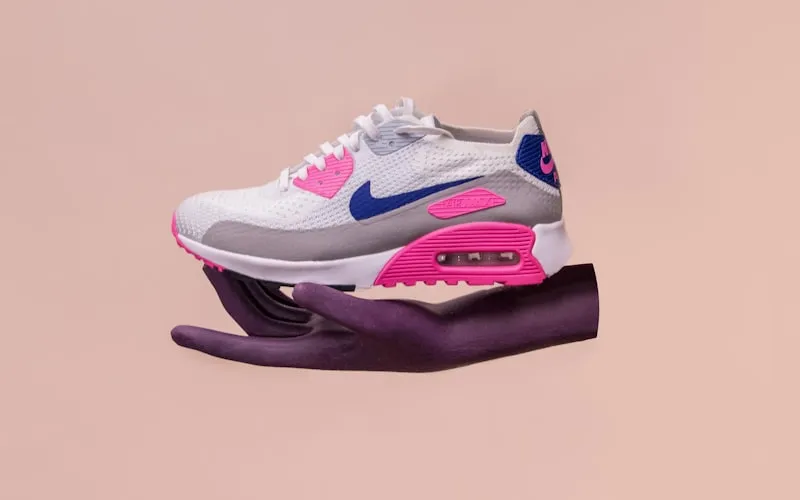
Visuals are paramount. Customers can't physically touch or inspect your products online, so high-resolution images from multiple angles, lifestyle shots, and even 360-degree views are crucial. Product videos that demonstrate usage or features can further enhance engagement. Ensure images are optimized for web, balancing quality with file size for fast loading.
Compelling Product Descriptions and Specifications
Beyond basic features, your product descriptions should tell a story and highlight benefits. Use persuasive language, address customer pain points, and clearly list specifications. Incorporate relevant keywords naturally to aid SEO. Don't forget to leverage bullet points for scannability and readability.
Clear Calls to Action (CTAs)
The "Add to Cart" button needs to stand out. Use contrasting colors, clear text, and ensure it's easily visible above the fold. Consider secondary CTAs for wishlists or sharing, but keep the primary action prominent.
Social Proof: Reviews and Testimonials
Customer reviews and ratings are powerful trust signals. Integrate a robust review system and encourage customers to leave feedback. Displaying star ratings prominently and allowing for review filtering can significantly boost confidence. For further reading on enhancing your store's capabilities, explore articles like WooCommerce Power-Ups.
Technical SEO Fundamentals
This includes proper use of product schema markup, clean URLs, optimized meta titles and descriptions, and image alt text. These elements help search engines understand your product content and display rich snippets in search results.
Mobile Responsiveness and Accessibility
A significant portion of online shopping happens on mobile devices. Your product pages must be fully responsive, offering a seamless experience on any screen size. Pay attention to touch targets, font sizes, and overall layout. Accessibility ensures everyone can use your site.
Related Products, Upsells, and Cross-sells
Strategically showcasing complementary or higher-value products can increase your average order value. WooCommerce has built-in features for this, but plugins can offer more advanced control. This is where you can subtly introduce other offerings, like a premium theme or a related plugin, enhancing the customer's overall experience.
Transparent Inventory and Shipping Information
Customers want to know if an item is in stock and when they can expect it. Clearly display stock levels, estimated delivery times, and shipping costs early in the buying process. Tools that help manage orders and prevent issues, like Woo Anti Fake Order & Courier Sync, can streamline operations and improve customer satisfaction by ensuring accurate delivery information.
Practical Strategies for WooCommerce Product Page Optimization
Now, let's dive into actionable steps to implement these elements effectively.
1. Image Optimization and Delivery
- Compress Images: Use tools or plugins to reduce file size without compromising quality.
- Lazy Loading: Implement lazy loading for images so they only load when they enter the viewport, speeding up initial page load.
- WebP Format: Serve images in modern formats like WebP for superior compression and quality.
- CDN Integration: Utilize a Content Delivery Network to serve images quickly to users worldwide.
2. Crafting SEO-Rich Product Titles and Descriptions
Your product titles should be unique, include primary keywords, and be concise. For descriptions, think of them as sales copy. Incorporate long-tail keywords, answer potential customer questions, and use headings and bullet points to break up text. Remember, search engines love fresh, unique content, so avoid duplicating manufacturer descriptions.
3. Leveraging Product Data for Rich Snippets
WooCommerce natively supports many schema types. Ensure all product data fields (price, stock, SKU, ratings, brand, GTIN if applicable) are accurately filled. This data helps search engines display rich snippets, making your product listings more appealing in search results.
4. Enhancing User Experience (UX) with Variations and Customizations
For products with multiple options (size, color, material), use WooCommerce variations effectively. Ensure the selection process is intuitive and clearly displays how choices affect price or imagery. Consider plugins for advanced product customizers if your products require complex configurations.
5. Speed Optimization Techniques
Page speed is a critical ranking factor and directly impacts user experience. Beyond image optimization:
- Caching: Implement robust caching solutions (e.g., server-level, WordPress plugins).
- Minify CSS and JavaScript: Reduce file sizes by removing unnecessary characters.
- Choose a Fast Host: A reliable hosting provider is fundamental.
- Database Optimization: Regularly clean and optimize your WooCommerce database.
- Plugin Audit: Deactivate or remove unnecessary plugins that might be slowing down your site. For maintaining site performance and security, a reliable backup solution like Akeeba Backup Pro is invaluable.
6. Utilizing Plugins for Advanced Features
WooCommerce's flexibility comes from its vast ecosystem of plugins. Consider extensions for:
- Wishlists
- Quick View functionality
- Advanced product filters
- Custom product tabs
- Enhanced review systems
While this article focuses on WooCommerce, understanding design principles from other platforms can be beneficial. For instance, the clean, minimal approach seen in themes like Uma – Minimal Clean Multiple Shopify Theme offers valuable insights into effective e-commerce presentation, which can be adapted to your WooCommerce store.
Real-World Use Cases for Optimized Product Pages
- Fashion Retailer: Utilizes high-resolution model shots from multiple angles, a size guide with clear measurements, customer reviews with photos, and a "complete the look" section (cross-sells).
- Electronics Store: Employs detailed technical specifications, comparison tables, unboxing videos, and FAQs to address common queries about complex products.
- Handmade Craft Shop: Focuses on storytelling in product descriptions, showcasing the artisan's process through images, and testimonials highlighting the unique craftsmanship.
Common Mistakes to Avoid in WooCommerce Product Page Optimization
Even with the best intentions, some pitfalls can hinder your optimization efforts:
- Poor Image Quality or Quantity: Blurry images or a lack of varied shots will deter buyers.
- Thin or Duplicate Content: Using generic manufacturer descriptions or very brief text signals low value to both users and search engines.
- Slow Loading Times: A page that takes more than 2-3 seconds to load will lead to high bounce rates.
- Ignoring Social Proof: Not displaying reviews or making it hard for customers to leave them is a missed opportunity for trust-building.
- Non-Responsive Design: Alienating mobile users means losing a huge segment of potential customers.
- Overlooking Technical SEO: Neglecting schema, meta tags, or alt text makes it harder for search engines to discover and rank your products.
- Confusing Navigation or CTAs: If customers can't easily find what they need or where to click, they will leave.
Troubleshooting Product Page Performance Issues
If your product pages aren't performing as expected, here's a diagnostic approach:
- Check Core Web Vitals: Use Google PageSpeed Insights or Lighthouse to identify specific performance bottlenecks (LCP, FID, CLS).
- Audit Content for SEO Gaps: Review your product titles, descriptions, and meta tags for keyword inclusion, readability, and uniqueness. Are you targeting the right terms? Have you looked at resources like How to Optimize WooCommerce Product Pages for Max Sales: 2026 Cheat Sheet for a comprehensive overview?
- Review Conversion Funnels: Use Google Analytics or similar tools to see where users drop off. Is it on the product page itself, or further down the checkout process?
- Identify Plugin Conflicts: Deactivate plugins one by one (on a staging site!) to see if any are causing slowdowns or display issues.
- Test Across Devices and Browsers: Ensure consistent experience on desktops, tablets, and various mobile devices, as well as different browsers.
Best Practices for Sustained WooCommerce Product Page Optimization
Optimization is an ongoing process, not a one-time task:
- Regular A/B Testing: Test different CTA colors, button texts, image placements, or description formats to see what resonates best with your audience.
- Monitor Analytics: Keep a close eye on conversion rates, bounce rates, time on page, and traffic sources for each product page.
- Keep Content Fresh: Update product descriptions with new information, add new images, or refresh FAQs regularly.
- Stay Updated: Keep your WooCommerce core, theme, and plugins updated to benefit from performance improvements and security patches.
- Gather Customer Feedback: Actively solicit feedback through surveys or direct communication to understand what customers love and what could be improved.
Conclusion
Optimizing your WooCommerce product pages is a multifaceted but incredibly rewarding endeavor. By focusing on high-quality visuals, persuasive content, technical SEO, and an exceptional user experience, you can transform your product pages from mere listings into powerful conversion engines. Invest the time and effort into these strategies, and you'll see a significant positive impact on your store's performance and bottom line. For more premium GPL WordPress themes and plugins to further enhance your store, be sure to visit BanglaDock.
Frequently Asked Questions
What is the most critical element for WooCommerce product page optimization?
While many elements are crucial, high-quality product imagery and compelling, benefit-driven product descriptions are arguably the most critical. Visuals grab attention and convey quality, while descriptions persuade buyers by explaining value and addressing needs. Without these two, even excellent technical SEO might not lead to conversions.
How often should I review and optimize my WooCommerce product pages?
WooCommerce product page optimization should be an ongoing process. You should conduct a full review at least once a quarter, or whenever you introduce significant new products, notice a drop in conversion rates for specific items, or if there are major updates to search engine algorithms. Regular monitoring of analytics, A/B testing, and keeping content fresh are continuous best practices.
Can too many plugins negatively impact my product page optimization?
Yes, absolutely. While plugins add valuable functionality, having too many, or poorly coded ones, can significantly slow down your product pages, create conflicts, and negatively impact user experience and SEO. It's crucial to regularly audit your plugins, remove unnecessary ones, and choose well-optimized, reputable extensions. Always test new plugins on a staging site before deploying them to your live store to avoid performance degradation.